



HRV/ERV Ventilation
HRV/ERV Ventilation in Syracuse, NY
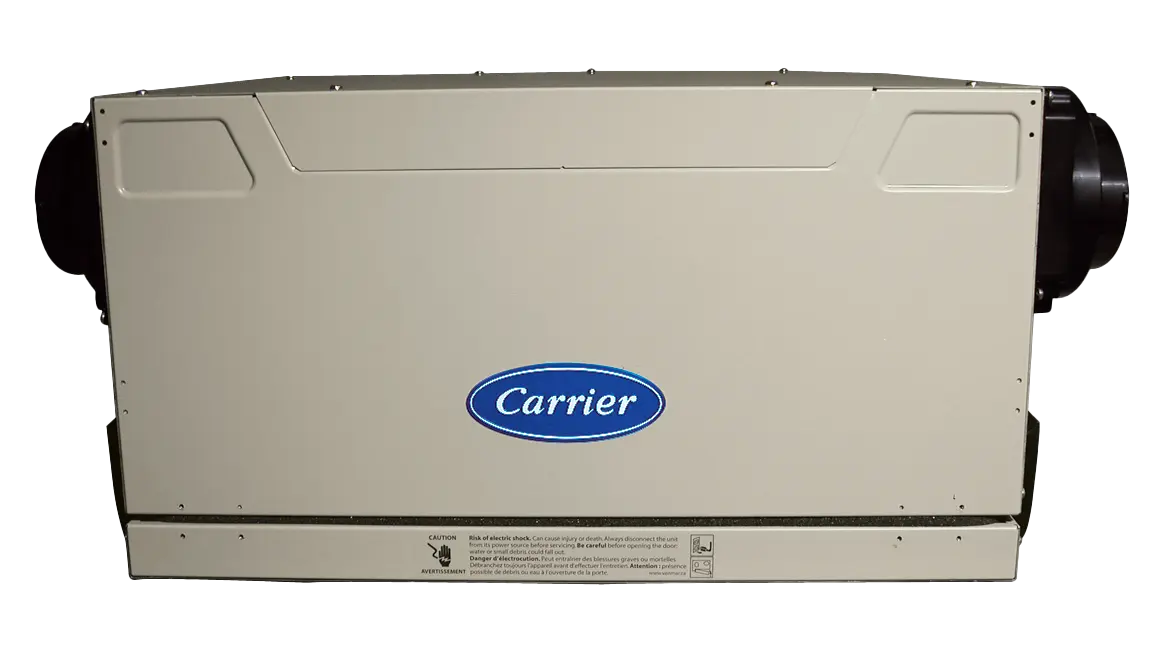
Fresh air is important for a healthy home, but opening windows is not practical during a Syracuse winter or on a hot, humid summer day. HRV/ERV ventilation gives your home a controlled way to bring in fresh outdoor air while removing stale indoor air and recovering energy in the process.
Cooney Air Conditioning & Heating installs and services heat and energy recovery ventilators for homeowners throughout Syracuse and nearby Central New York communities.
Improve Indoor Air Quality With HRV/ERV Ventilation
Modern homes are built and updated to limit unwanted air leaks. That helps with heating and cooling, but it can also trap odors, moisture, allergens, and other indoor pollutants.
Balanced ventilation solves that problem by exchanging stale indoor air for fresh outdoor air at a controlled rate. Unlike an exhaust fan that simply pushes air outside, these mechanical ventilation systems manage both incoming and outgoing airflow.
Ventilation is one part of a complete local indoor air quality sERVice strategy. Homes with dust, pollen, pet dander, or other airborne particles can pair fresh-air ventilation with air filtration sERVices for greater control over the air circulating through the HVAC system.
What Is HRV/ERV Ventilation?
HRV/ERV ventilation refers to two types of recovery ventilation equipment: heat recovery ventilators (HRVs) and energy recovery ventilators (ERVs).
Both systems use separate incoming and outgoing air streams. Stale indoor air passes through the unit as fresh outdoor air enters the home. Energy transfers between the two air streams without mixing the air itself.
During cold weather, this process captures energy from heated indoor air before the air leaves the house. The incoming fresh air enters at a more manageable temperature, reducing the amount of heat lost through ventilation.
Heat Recovery Ventilators and Energy Recovery Ventilators
How Heat Recovery Ventilators (HRVs) Work
An HRV transfers heat between incoming and outgoing air. During a Syracuse winter, heat from stale indoor air transfers to the colder fresh air entering the home.
This exchange brings fresh air inside without losing as much heat as an open window or basic exhaust system. An HRV also allows moisture in the outgoing air to leave the home, which is important in houses that develop excess winter humidity or condensation.
How an ERV System Works
An ERV system transfers both heat and moisture between the incoming and outgoing air streams. The moisture-transfer function distinguishes an ERV from an HRV.
That added moisture control is useful when indoor humidity changes significantly from one season to another. Syracuse homes face dry winter conditions as well as humid summer weather, so the home construction, occupancy, HVAC equipment, and existing humidity levels all matter when selecting a system.
Difference Between HRV and ERV Ventilation Explained
The difference between HRV and ERV ventilation comes down primarily to moisture transfer.
- An HRV transfers heat between the incoming and outgoing air.
- An ERV transfers heat and moisture between the two air streams.
- Both create balanced ventilation by bringing fresh air in while exhausting stale air.
- Both recover energy that would otherwise leave the home with exhausted indoor air.
Neither system is automatically the best choice for every Syracuse home. Cooney Air Conditioning & Heating considers the home's airflow, insulation, occupancy, moisture levels, and existing ventilation before selecting and sizing the equipment.
Which System Fits Your Syracuse, NY Home?
Syracuse's long winters keep homes closed for months at a time. That makes controlled ventilation especially valuable when stale air, odors, condensation, or excess indoor moisture build up.
The condition of the house matters, too. Older homes in Syracuse, DeWitt, and East Syracuse can have very different air leakage and ductwork characteristics than newer, tightly sealed construction. A ventilation system needs to match those conditions instead of simply exchanging air at a preset rate.
Humidity control can require separate equipment as well. Home humidifier installation addresses dry indoor air during the heating season, while whole house dehumidifier installation targets excessive moisture during humid weather.
Benefits of Balanced Mechanical Ventilation Systems
A balanced ventilation system gives homeowners more control over fresh air exchange without depending on open windows or uncontrolled air leaks.
HRV and ERV systems can:
- Remove stale indoor air and odors
- Bring filtered outdoor air into the home
- Reduce heat loss associated with uncontrolled ventilation
- Support more consistent indoor humidity management
- Reduce the buildup of indoor pollutants
- Maintain balanced incoming and outgoing airflow
Recovery ventilation is especially useful in tightly sealed homes where natural air leakage does not provide enough consistent fresh-air exchange.
Professional Installation and Service in Syracuse, NY
HRV and ERV systems depend on balanced airflow to exchange stale indoor air for fresh outdoor air. Installation includes sizing the equipment for the home, configuring duct connections, setting up incoming and outgoing airflow, and testing the completed system.
Cooney Air Conditioning & Heating installs HRV and ERV systems throughout the Syracuse area. We also maintain and repair existing equipment, including filters, airflow components, controls, and heat or energy recovery cores.
Problems with the home's heating or cooling equipment can affect airflow and indoor air quality throughout the house. Our local HVAC repair sERVices diagnose and repair those HVAC problems alongside your ventilation system.
For HRV and ERV installation, maintenance, and repair in Syracuse, schedule service with Cooney Air Conditioning & Heating.
Schedule HRV/ERV Ventilation Service in Syracuse
Bring fresh outdoor air into your home without giving up control of indoor temperature and humidity. Schedule HRV/ERV ventilation service with Cooney Air Conditioning & Heating today.
Frequently Asked Questions
The main difference is how each system handles heat and moisture. An HRV provides heat recovery by transferring heat from outgoing air to incoming air, while an ERV offers energy recovery by transferring both heat and moisture. In Syracuse, NY, Cooney Air Conditioning & Heating helps homeowners choose the right option based on indoor humidity, comfort needs, and existing HVAC systems.
Yes, because standard HVAC systems typically do not provide balanced mechanical ventilation. An HRV or ERV adds dedicated heat recovery or energy recovery ventilation to continuously replace stale indoor air. Cooney Air Conditioning & Heating installs systems in Syracuse homes to improve indoor air quality, manage humidity, and reduce excess moisture year-round.
Properly installed HRV and ERV systems are designed to improve efficiency through heat recovery and energy recovery technology. By transferring heat and controlling moisture, these systems reduce the workload on your furnace and air conditioner. In Syracuse, NY, Cooney Air Conditioning & Heating ensures your indoor ventilation system is sized correctly to help balance comfort and energy costs.
Most HRV and ERV systems should be inspected annually to ensure proper heat transfer, moisture control, and airflow balance. Regular maintenance keeps heat recovery and energy recovery components clean and functioning efficiently. Cooney Air Conditioning & Heating provides professional service in Syracuse, NY to keep your indoor ventilation systems operating reliably throughout every season.
Yes, HRV/ERV ventilation is especially beneficial in climates with cold winters and humid summers. Heat recovery helps retain warmth during winter, while energy recovery and moisture control help manage humidity in warmer months. Cooney Air Conditioning & Heating recommends these systems for Syracuse homeowners who want better indoor air quality, balanced humidity, and improved overall comfort.

Upgrade Energy Efficiency

Service Club Membership


A Legacy Built on Comfort
Our Reviews