

Are hvac maintenance plans worth it for most Syracuse homeowners? In many cases, yes. Syracuse winters place heavy demands on furnaces, boilers, and heat pumps, while summer humidity keeps cooling systems working through the warmest months. A maintenance plan keeps inspections and tune-ups on schedule instead of waiting until something stops working.
What Is an HVAC Maintenance Plan?
An hvac maintenance plan is a scheduled service program that includes routine inspections, cleaning, testing, and tune-ups throughout the year.
Most plans include one cooling visit and one heating visit. They also include priority scheduling and discounts on repairs. A documented service history can help support manufacturer warranty requirements.
Homeowners interested in an hvac maintenance agreement should understand exactly what is included before enrolling.
HVAC Maintenance Checklist: What Our Maintenance Visits Include
A professional maintenance visit focuses on cleaning, testing, and inspecting critical components before problems develop.
A typical hvac maintenance checklist includes:
- Replace or clean air filters
- Thermostat calibration
- Electrical connection inspection
- Refrigerant testing
- Condenser coil cleaning
- Evaporator coil inspection
- Condensate drain cleaning
- Combustion safety testing
- Airflow evaluation
- Lubrication of moving components
- Equipment performance testing
These visits are designed to identify wear, safety concerns, and performance issues before they turn into repairs.
Seasonal HVAC Maintenance Checklist
Cooling season maintenance includes:
- Coil cleaning
- Refrigerant inspection
- Drain line flushing
- Outdoor unit cleaning
- Cooling performance testing
Heating season maintenance includes:
- Burner inspection
- Combustion testing
- Heat exchanger evaluation
- Humidifier inspection
- Safety control testing
Because Syracuse receives roughly 100 to 115 inches of snow each year, heating equipment operates for long stretches during winter. Annual maintenance helps prepare systems for that workload.
Are Regular HVAC Maintenance Plans Worth It?
For most Syracuse homeowners, yes.
Maintenance plans make sense when:
- The system is more than a few years old
- You want scheduled maintenance reminders
- Your home depends on a furnace, boiler, or heat pump through the winter
- You want a documented service history
- Losing heat during a snowstorm would create a serious problem
Maintenance plans are especially common in Central New York because heating systems run for months at a time. Annual inspections give technicians an opportunity to find worn components, airflow restrictions, drainage issues, and safety concerns before the heating season begins.
HVAC Maintenance Plan vs. Reactive Repairs
Many homeowners ask, "Are HVAC maintenance plans worth it?" The answer often depends on how you prefer to manage your HVAC system. The comparison below highlights the differences between routine maintenance and waiting until a repair is needed.
| Factor | With an HVAC Maintenance Plan | Without Regular Maintenance |
|---|---|---|
| Maintenance Visits | Scheduled heating and cooling service throughout the year | Service typically occurs only after a problem develops |
| Energy Efficiency | Clean filters, coils, and components help support efficient operation | Dirty components can increase energy consumption over time |
| Repair Risk | Potential issues may be identified during preventative maintenance visits | Problems are often discovered only after equipment performance declines |
| System Performance | Routine maintenance helps keep the HVAC system operating as designed | Performance may gradually decline without regular service |
| Warranty Documentation | Maintenance records may help support manufacturer warranty requirements | Lack of documentation can complicate some warranty claims |
| Priority Service | Many HVAC maintenance plans include priority scheduling benefits | Standard scheduling availability applies |
| Long-Term Costs | Regular HVAC maintenance may help homeowners avoid some unexpected repairs and save money over time | Unexpected repair costs can occur without warning |
Many manufacturers recommend routine HVAC maintenance to support equipment performance, efficiency, and warranty compliance. Maintenance requirements vary by manufacturer and equipment type.
When HVAC Plans May Not Be Worth It
A maintenance plan is not necessary in every situation.
Some homeowners choose to skip a plan when:
- The system is brand new
- The property is vacant for long periods
- Maintenance is already scheduled every year without a membership
The decision comes down to how you prefer to manage maintenance and how heavily the equipment is used throughout the year.
Common Mistakes in HVAC Maintenance
Several common mistakes in hvac maintenance lead to avoidable repairs:
- Ignoring dirty filters
- Skipping annual inspections
- Neglecting coil cleaning
- Delaying minor repairs
- Overlooking drain maintenance
- Missing warranty documentation requirements
Small problems are easier to address during a maintenance visit than during an emergency repair call.
DIY vs. Professional HVAC Maintenance
Homeowners can handle a few basic tasks:
- Change filters
- Keep outdoor units clear of debris
- Monitor thermostat settings
- Check vents for airflow restrictions
Professional inspections involve electrical testing, refrigerant diagnostics, combustion analysis, safety testing, and component evaluation that require specialized tools and training.
For deeper inspections, professional hvac maintenance services remain the recommended approach.
How Our HVAC Membership Works
Cooney Air Conditioning & Heating offers maintenance programs designed to keep heating and cooling systems on schedule throughout the year.
Membership benefits can include:
- Scheduled seasonal tune-ups
- Priority service scheduling
- Discounts on repairs
- Maintenance documentation
- System performance evaluations
Homeowners considering replacing their HVAC equipment can also explore hvac system installation services and other residential hvac services when maintenance is no longer the best fit for the equipment.
Schedule HVAC Maintenance With Cooney Air Conditioning & Heating
If your furnace, boiler, heat pump, or air conditioner has not been inspected in the last year, now is a good time to schedule service.
Cooney Air Conditioning & Heating serves Syracuse and surrounding communities with professional hvac maintenance services.
Schedule online or call (315) 220-0960 to request an appointment.
HVAC systems in Syracuse stay busy nearly year-round. Heating leads through long winters, quick cold snaps add strain to equipment, and summer brings heat and humidity that require steady control. When homeowners ask how an HVAC system works, it’s often because comfort feels uneven—or they want a clearer understanding of what keeps the home running smoothly as seasons change.
At its core, an HVAC system heats, cools, and circulates air. How well it does that depends on equipment condition, airflow, and regular service. Cooney Air Conditioning & Heating works on HVAC systems across Syracuse and Onondaga County, and real-world performance matters more than theory.
Key Takeaways: HVAC Systems
- HVAC systems work by heating, cooling, filtering, and circulating air throughout the home using coordinated components like furnaces, heat pumps, air conditioners, ductwork, and thermostats.
- Heating systems such as furnaces, boilers, and heat pumps are especially important in Syracuse homes because of long winters and extended cold-weather demand.
- Proper airflow and well-maintained ductwork help HVAC systems deliver consistent indoor temperatures, improve comfort, and reduce strain on heating and cooling equipment.
- Thermostats play a major role in HVAC performance by controlling system cycles, indoor temperatures, and overall energy efficiency throughout the year.
- Routine HVAC maintenance helps improve system efficiency, reduce breakdown risks, extend equipment lifespan, and maintain reliable heating and cooling performance in Central New York homes.
The Core Parts of an HVAC System
For Syracuse homeowners, understanding how an HVAC system works starts with the core equipment that produces heat, delivers cooling, and moves air through the house. Most HVAC systems are built as an integrated system. When one unit underperforms, the entire HVAC system can lose efficiency, and comfort can drop in specific rooms.
| Component | Function | Common Service Need |
|---|---|---|
| Furnace / Boiler / Heat Pump | Generates heat | Furnace repair |
| Air Conditioner | Removes heat from indoor air | AC maintenance |
| Air Handler | Moves conditioned air through the system | HVAC repair |
| Ductwork | Delivers and returns air | Duct inspection and seal |
| Filter | Captures dust and debris | Air filtration service |
| Thermostat | Controls system cycles | Thermostat settings guide |
Here are the primary components that make an HVAC system operate properly:
- Heating equipment: A furnace, boiler, or heat pump generates heat for the home. In forced-air setups, furnaces heat air and distribute it through the system to multiple rooms.
- Cooling equipment: A central air conditioner or a heat pump running in cooling mode supports air conditioning by removing heat from indoor air. In many central setups, the outdoor section uses a condenser coil to release heat outside.
- Air handler and airflow: The air handler moves conditioned air through the system, helping maintain even temperatures and steady performance across the home.
- Ductwork or ductless distribution: Traditional HVAC systems use ductwork to deliver air and return it for reconditioning. Some homes use ductless systems to control temperatures in targeted zones without ducts.
- Filtration: Air filters help protect the HVAC system by capturing dust and debris, which supports smoother operation and better airflow.
- Thermostat and controls: The thermostat tells the system when to run so the HVAC system works in cycles based on indoor temperature and demand.
- Ventilation: Proper ventilation supports healthier indoor air and helps the overall system maintain balanced comfort, especially when the heating and cooling loads change.
When these components work together, HVAC systems provide consistent heating, reliable cooling, and steady indoor air movement. If one part struggles, such as a restricted filter, a worn unit, or airflow issues, the rest of the system must compensate, which often leads to uneven comfort and more strain on the equipment.
How Heating and Heat Pumps Work in Central New York Homes
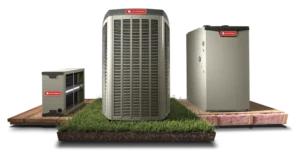 Heating carries the biggest load in Syracuse homes. Systems often run for long stretches without much downtime.
Furnaces create heat and push warm air through ductwork. Boilers heat water and send it through radiators or baseboards. Heat pumps move heat from outdoor air into the home—even in colder conditions.
All heating systems aim for steady output. When airflow is restricted or parts wear down, systems run longer and harder than they should.
How a Cooling System Manages Summer Heat
Cooling systems may run fewer months, but they still need to perform when summer arrives.
Air conditioners and heat pumps remove heat from inside the home and release it outdoors. This relies on refrigerant, coils, and proper airflow. When components are dirty or airflow is limited, cooling becomes uneven and less effective.
Short cycling, warm rooms, or long run times are common signs the system needs attention.
The Role of Airflow and Ductwork
Airflow connects every part of the HVAC system. Even new equipment struggles without proper air movement.
Ductwork delivers conditioned air and pulls it back to be treated again. Over time, ducts can leak, shift, or collect buildup. That affects comfort and forces HVAC systems to work harder.
In many older Syracuse homes, duct condition plays a major role in overall performance.
Why Thermostats Matter
Thermostats tell HVAC systems when to run. Older or poorly placed thermostats may not reflect actual indoor temperatures.
Inaccurate readings can lead to short cycling or extended run times. Both increase wear and reduce comfort. Sometimes small thermostat setting adjustments or upgrades make a noticeable difference.
Why Maintenance Matters for your HVAC Unit
Once homeowners understand how HVAC systems work, maintenance usually makes more sense.
Routine service keeps systems closer to normal operation and helps catch issues early. The benefits of professional HVAC tune-ups often include:
- More consistent comfort
- Fewer breakdowns during extreme weather
- Better efficiency
- Reduced emergency repair calls
HVAC systems maintenance is especially important in Central New York, where heating systems see heavy seasonal use.
Learn more in our article on, "How do you Tune Up a Furnace."
A clogged filter can raise HVAC energy use by up to 15%
Restricted airflow forces the blower to work harder and run longer to reach the same temperature — one of the simplest, cheapest fixes for an underperforming system.
Source: U.S. Department of Energy, Building Science Education — HVAC Proper Installation of Filters
How HVAC Systems Work Over Time
An HVAC system is not just individual parts. It is a balance between heating, cooling, airflow, and controls.
When one area is ignored, others compensate. Over time, that can lead to higher energy use, uneven comfort, and more repairs.
Regular service helps keep HVAC systems
Call Cooney Air Conditioning & Heating today to schedule HVAC noise reduction service or a maintenance check for your home in Syracuse or Onondaga County.
Schedule Online (315) 220-0960
Improve Comfort and Energy Efficiency with HVAC & Insulation Services
If your home has uneven temperatures, rising energy bills, or HVAC systems that seem to run constantly, improving insulation and maintaining your heating and cooling equipment can make a significant difference. Cooney Air offers a full range of solutions designed to improve home comfort, reduce energy waste, and help your HVAC system operate more efficiently.
If you’re experiencing unusual sounds or system performance issues, you can also review our guide on HVAC Noise Reduction And Troubleshooting Common HVAC Problems to learn what may be causing the issue.
No one likes living with a loud HVAC system. When it rattles or buzzes, that noise signals something’s off. In Central New York, where furnaces run hard all winter and air conditioners fight the summer humidity, that sound often means a part needs attention.
Cooney Air Conditioning & Heating works with homeowners across Syracuse and Onondaga County to keep systems running quietly. We track down the cause, make the repair, and show you how to keep things quiet moving forward.
Schedule Online (315) 220-0960
Why HVAC systems make noise and what it means
Every HVAC system hums a little when it’s working. That steady sound is normal. But loud banging, screeching, or vibration means something isn’t right.
You might be hearing:
- Panels or screws that shook loose over time
- Ducts rattling against framing
- A blower wheel or fan that’s out of balance
- Dust or debris clogging airflow
- A motor starting to wear out
In Syracuse, long heating seasons and short maintenance windows make these issues common. Regular HVAC tune-ups keep small noises from becoming major HVAC repairs.
Troubleshooting Common HVAC Problems That Cause Noise
Sometimes you can spot the problem yourself. Other times, it takes a tech to track it down.
Identifying Loose Parts and Rattling Ducts
A metallic rattle often means a screw or bracket came loose. A thumping noise points to an unbalanced fan. High-pitched squeals usually come from belts or bearings that are wearing out.
You can tighten an access panel or swap a clogged filter. Beyond that, leave it to a licensed electrician. Electricity and moving parts aren’t worth guessing on.
When to Call a Technician
If the noise doesn’t stop after the basics, call for service. Our team inspects motors, fans, ducts, and wiring to find the problem. Once it’s fixed, we test the system again so you can be sure it’s safe and quiet.
How Maintenance Prevents Recurring Noise
Seasonal AC maintenance is the best prevention. During a tune-up we clean coils, tighten fittings, check fan balance, and lubricate moving parts. A simple furnace tune-up each year keeps vibration down and helps the system last longer.
How to Reduce HVAC Noise in Your Home
You can do a few things between service calls to keep the noise down:
- Change filters every one to three months.
- Keep vents clear of furniture.
- Seal and insulate ducts so they don’t shake.
- Use rubber pads under the outdoor unit to absorb vibration.
- Schedule annual inspections before extreme weather hits.
Small steps like these help airflow, cut noise, and lower energy use.
| HVAC Sound | Likely Cause | DIY or Pro Fix? |
|---|---|---|
| Rattling or buzzing | Loose panel, screw, or bracket | DIY: tighten access panel |
| Banging or thumping | Unbalanced blower wheel or fan | Pro: HVAC repair |
| High-pitched squeal | Worn belt or bearing | Pro: HVAC maintenance |
| Humming or buzzing from outdoor unit | Loose fan blade or failing motor | Pro: AC service |
| Vibration or rattling from a ductless unit | Loose mounting or refrigerant issue | Pro: mini split repair |
| Hissing or whistling air | Duct leak or undersized ductwork | Pro: duct inspection and seal |
Design and Installation Tips for Better Noise Control
A quiet home starts with a good design and proper installation. Cooney Air installs efficient systems built with noise control in mind.
Upgrading to high-efficiency, low-noise HVAC units
Older units tend to run loudly because motors and fans wear down. Modern HVAC equipment uses variable-speed fans and insulated cabinets that run smoothly and quietly. Replacing an outdated system can reduce noise while improving comfort and efficiency. Our air conditioning installation services or heat pump installation services can get you up and running with a new system in no time.
Variable-speed systems run 3–5 dB(A) quieter
than single-stage equivalents at rated load — and outdoor variable refrigerant flow units often drop 8–12 dB(A) below their rated maximum during the partial-load conditions that make up most of the year. Since every 10 dB increase roughly doubles perceived loudness, that's a difference you'll actually hear.
Source: HVAC Authority USA, HVAC System Noise Levels and Sound Ratings
How to Extend HVAC Equipment Lifespan
Noise control and system life go together. A balanced, well-maintained system lasts years longer than one that shakes and rattles.
The Value of Routine Tune-Ups
Annual service prevents small issues from turning into major repairs. We check wiring, tighten bolts, clean components, and make sure everything runs as it should through Central New York’s long winters and humid summers.
Cleaning and Inspection Details
Dust builds up fast in older homes. Cleaning coils, securing loose hardware, and inspecting bearings keeps the system steady and efficient. It also saves on power bills.
Why Reducing Noise Adds Years to Your System
When a system runs quietly, it’s working efficiently. Less vibration means less strain on fans, motors, and bearings. That lower stress helps your HVAC equipment last longer and perform better.
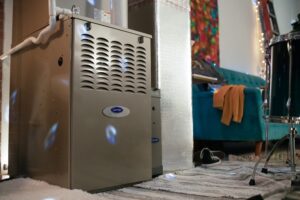
Professional HVAC Noise Reduction Services
Some systems need more than a simple fix. Cooney Air Conditioning & Heating offers professional HVAC noise reduction services for Syracuse homeowners who want lasting peace and quiet.
Expert Assessment and Targeted Repairs
We start by listening. Then we check ducts, fans, and mounting points to find the source. Once we locate the problem, we repair or adjust the parts causing the sound.
Comprehensive noise control through duct silencers and vibration isolation
For persistent problems, we can install duct silencers, add insulation, or use vibration isolators that absorb movement. These options are especially useful in older Central New York homes with rigid ductwork.
Comfort and Peace of Mind
A quiet system feels different. You notice the warmth or cool air, not the equipment running. If your HVAC system has gotten louder over the years, we can help bring it back to normal.
Call Cooney Air Conditioning & Heating today to schedule HVAC noise reduction service or a maintenance check for your home in Syracuse or Onondaga County.
Schedule Online (315) 220-0960
Improve Comfort and Energy Efficiency with HVAC & Insulation Services
If your home has uneven temperatures, rising energy bills, or HVAC systems that seem to run constantly, improving insulation and maintaining your heating and cooling equipment can make a significant difference. Cooney Air offers a full range of solutions designed to improve home comfort, reduce energy waste, and help your HVAC system operate more efficiently.
- Insulation Installation Services to improve energy efficiency and reduce heating and cooling loss
- Attic Insulation Installers who help regulate indoor temperatures and protect your home year-round
- Spray Foam Insulation Installers for advanced air sealing and long-term energy savings
- HVAC New Installation Services when it’s time to upgrade your heating or cooling system
- HVAC Repair And Replacement to restore comfort and keep your system operating safely
- HVAC Maintenance Services to extend equipment lifespan and prevent unexpected breakdowns
- Complete HVAC Services for heating, cooling, and home comfort solutions in the Syracuse area
- Indoor Air Quality Services that help remove airborne pollutants and improve breathing comfort
If you’re experiencing unusual sounds or system performance issues, you can also review our guide on HVAC Noise Reduction And Troubleshooting Common HVAC Problems to learn what may be causing the issue. And if you are experiencing a HVAC emergency, our Emergency AC Repair services are just a phone call away.
Schedule Online (315) 220-0960
Syracuse homeowners understand how quickly energy bills rise when the weather shifts. Summers are warm and humid, and winters in Onondaga County bring long stretches of cold. Finding the right thermostat settings for energy savings helps lower monthly costs while keeping your home comfortable. Cooney Air has served the Syracuse area for decades, helping homeowners choose the best settings and HVAC solutions for their homes.
If you need help upgrading your thermostat or improving your HVAC system’s efficiency, our certified team is here to assist.
Schedule Online (315) 220-0960
Thermostat settings for energy savings: quick wins
Small adjustments add up quickly. These simple habits help Syracuse homeowners save energy without sacrificing comfort.
- Turn the thermostat down when sleeping or away
- Avoid big swings in temperature
- Use fans in summer to reduce AC demand
- Keep curtains closed on hot days and open on sunny winter mornings
- Check thermostat accuracy each season
- Replace filters regularly for better airflow and HVAC maintenance
Even one or two of these changes can lower bills through Central New York’s seasonal extremes.
| Season | Home (Awake) | Away / Asleep | Helpful Service |
|---|---|---|---|
| Summer | 78°F | 82–85°F | AC maintenance |
| Winter (day) | 68°F | — | Furnace tune-up |
| Winter (night) | — | 64–65°F | Furnace repair |
| Winter (away) | — | 5–7°F lower than daytime setting | Heat pump installation |
Summer thermostat settings: best thermostat temperature to save energy
Summer in Syracuse isn’t the hottest in New York, but humidity can still push AC systems harder than expected. A good balance of savings and comfort is keeping your thermostat around 78°F when home.
When away:
- Set cooling to 82–85°F
- Use “away” modes to reduce AC use
- Run ceiling fans to help air circulate
Humidity control makes a big difference. A slightly higher cooling temperature with proper dehumidification can feel just as comfortable as a colder setting.
If your AC can’t hold temperature, Cooney Air can evaluate system performance and recommend improvements with our air conditioning Maintenance services.
Winter thermostat settings: your winter thermostat checklist
Winter in Syracuse is long, cold and snowy, so a smart winter thermostat strategy really matters. The right thermostat settings for energy savings keep your house comfortable while using less energy, so heating does not take over your utility budget. Aim for a thermostat setting of about 68 degrees during the day when people are home.
Aim for 68°F during the day:
- At night, lower the thermostat temperature to around 64–65°F to save energy while you sleep but still stay comfortable.
- When you are away for work or errands, adjust the thermostat settings 5 to 7 degrees lower for extra energy saving and long term savings on your bill.
- Use a programmable thermostat or smart thermostats with an energy saver schedule that preheats the house before you return. Many programmable models also send smart alerts if the system is not holding temperature.
- Choose a good thermostat location away from drafts, windows and heat sources so it reads the true air temperature and runs the HVAC system efficiently.
- Keep supply and return air vents fully open and use ceiling fans on low to gently push warm air down into the room.
- Check your HVAC system filter every month in peak season and schedule professional HVAC installation services or furnace tune ups if your equipment is older or struggling to maintain temperature.
Cold Syracuse nights often drop into single digits, but a properly maintained HVAC system recovers heat quickly when your smart thermostat brings the temperature back up to your daytime setting. These winter habits also make it easier to dial in summer thermostat settings for cooling so you can save energy and save money all year long.
Programmable thermostat schedules that save energy
A smart or programmable thermostat helps keep your home comfortable while cutting wasted energy.
5-2 and 7-day schedule examples
For commuters:
- Morning: 68°F
- Away: 62-64°F
- Evening: 68-70°F
- Overnight: 64-65°F
For work-from-home households:
- Maintain 68-70°F during daytime hours
- Drop it slightly at night
- Adjust by room use or drafts
Vacation/away modes and smart alerts
Smart thermostats include features like:
- Away and vacation modes
- Freeze-protection alerts
- Mobile app adjustments
- Maintenance reminders
These are especially helpful during Syracuse snowstorms or extended travel.
ENERGY STAR certified smart thermostats save about 8% on heating and cooling
on average — roughly $50 a year — by automating the setback schedules many homeowners forget to keep up with manually.
Thermostat best practices & common mistakes
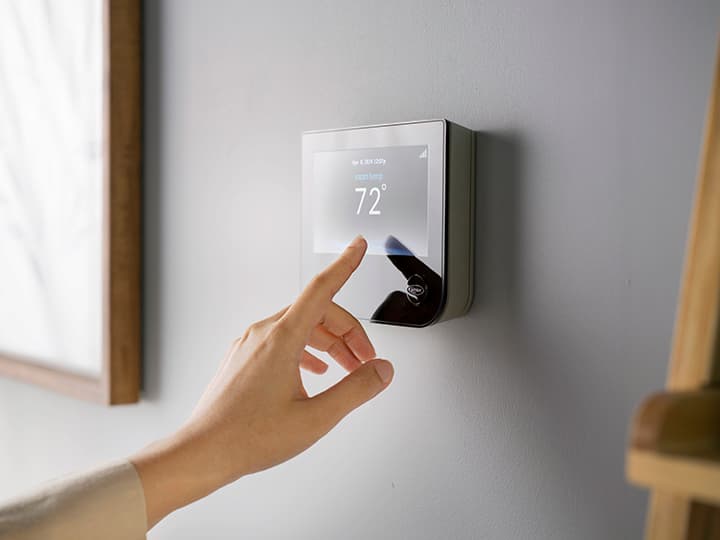 To keep your system efficient, try these practices:
Do:
- Make gradual adjustments
- Replace filters often
- Keep vents unblocked
- Confirm thermostat placement isn’t affected by drafts or sunlight
Avoid:
- Cranking the temperature up or down to “speed up” heating or cooling
- Closing several vents
- Turning the system off entirely in winter
If these issues happen often, your HVAC system may need attention.
Fine-tuning by home and system type
Every home in Central New York is a little different. Older Syracuse homes may struggle with drafts or uneven airflow. Newer builds in suburbs like Clay, Manlius, or Baldwinsville may respond better to zoning or smart sensors.
Your thermostat settings should consider:
- Your home’s size and insulation
- Furnace or heat pump type
- If you use radiators, ductwork, or hybrid systems
- How much sun your home receives
- Room usage and daily routine
If your HVAC system is aging or struggling to keep up, adjusting your thermostat can help, but professional hvac installation services or upgrades may eventually be a better long-term option.
Have Questions? Cooney Air Can Help
Improve Comfort and Energy Efficiency with HVAC & Insulation Services
If your home has uneven temperatures, rising energy bills, or HVAC systems that seem to run constantly, improving insulation and maintaining your heating and cooling equipment can make a significant difference. Cooney Air offers a full range of solutions designed to improve home comfort, reduce energy waste, and help your HVAC system operate more efficiently.
- Insulation Installation Services to improve energy efficiency and reduce heating and cooling loss
- Attic Insulation Installers who help regulate indoor temperatures and protect your home year-round
- Spray Foam Insulation Installers for advanced air sealing and long-term energy savings
- HVAC New Installation Services when it’s time to upgrade your heating or cooling system
- HVAC Repair And Replacement to restore comfort and keep your system operating safely
- HVAC Maintenance Services to extend equipment lifespan and prevent unexpected breakdowns
- Complete HVAC Services for heating, cooling, and home comfort solutions in the Syracuse area
- Indoor Air Quality Services that help remove airborne pollutants and improve breathing comfort
If you’re experiencing unusual sounds or system performance issues, you can also review our guide on HVAC Noise Reduction And Troubleshooting Common HVAC Problems to learn what may be causing the issue.