

A broken boiler can leave your home without heat or hot water when you need it most. Syracuse winters place heavy demands on heating systems, and problems such as pressure loss, ignition failure, frozen condensate pipes, or worn components can stop a boiler from working properly. Before calling for service, check the thermostat, confirm the system has power, and look at the pressure gauge. If the problem continues, turn the boiler off if you notice leaks or unusual smells and schedule professional service.
1. No Heat or Hot Water
No heat is one of the clearest signs of a broken boiler.
Some systems lose both heat and hot water, while others continue producing hot water but fail to heat the home. Either situation points to a problem that requires inspection before additional components are damaged.
2. Strange Noises
Banging, whistling, gurgling, or knocking sounds usually indicate a problem inside the boiler.
Mineral buildup, trapped air, circulation problems, or overheating can all create unusual noises. If your boiler is broken internally, kettling can develop inside the heat exchanger, creating rumbling or banging sounds as the water overheats.
These noises should never be ignored because they usually become worse over time.
3. Water Around the Boiler
Water around the boiler is another warning sign.
Boiler’s broken down because of a leaking valve, damaged seal, cracked heat exchanger, or excessive pressure require fast attention before water damages nearby flooring or building materials.
If water is leaking from the unit, turn the system off and schedule service.
4. Low Boiler Pressure or Error Codes
Modern boilers monitor operating conditions and display fault codes when a problem is detected.
Low pressure can result from leaks, air trapped inside the system, or failing components. Error codes provide technicians with a starting point, but additional testing identifies the actual cause of the problem.
If the pressure repeatedly drops after being restored, your broken boiler needs professional diagnosis.
5. Pilot Light or Ignition Problems
Older boilers with standing pilot lights can lose their flame because of thermocouple problems, gas supply issues, or drafts.
Newer boilers use electronic ignition systems that also develop faults over time.
If the ignition system fails repeatedly, avoid repeated reset attempts and schedule service instead.
6. Frequent Shutdowns
If your boiler has broken down several times during one heating season, replacing individual parts may no longer solve the underlying problem.
Recurring shutdowns are commonly linked to aging components, circulation problems, electrical failures, or control issues that continue affecting system operation.
Our boiler repair service identifies the source of repeated failures instead of replacing parts one at a time.
7. Rising Heating Bills
An aging boiler can continue operating while using more fuel than necessary.
As efficiency declines, heating costs rise even though your thermostat settings stay the same.
If higher utility bills are accompanied by poor heating performance or frequent service calls, the boiler should be evaluated before another breakdown occurs.
Common Boiler Problems
Several issues account for most service calls.
These include:
- Faulty thermostats
- Ignition failures
- Frozen condensate pipes
- Low system pressure
- Circulator pump failures
- Worn valves and seals
- Air trapped in the system
Common Signs of a Broken Boiler
| Symptom | Possible Cause | Recommended Action |
|---|---|---|
| No Heat or Hot Water | Ignition failure, faulty thermostat, or gas supply issue | Check thermostat settings, then schedule professional boiler service. |
| Low Boiler Pressure | Water leak, faulty pressure relief valve, or system issue | Inspect the pressure gauge and contact a licensed technician if pressure remains low. |
| Water Leaks | Damaged seals, corroded pipes, or valve failure | Turn off the boiler and have the leak repaired before additional damage occurs. |
| Banging or Whistling Noises | Mineral buildup (kettling), trapped air, or circulation problems | Schedule a boiler inspection to prevent further system damage. |
| Error Codes | Electronic control fault or sensor malfunction | Refer to the manufacturer's guide and call for professional diagnostics. |
| Boiler Keeps Shutting Off | Pump failure, thermostat problems, or overheating | Do not repeatedly restart the system—have it inspected by a boiler technician. |
Syracuse Homeowner Tip: If your boiler loses heat during winter, avoid repeated reset attempts. Turning the system off and calling a qualified boiler technician can help prevent additional damage and restore heat safely.
Repair or Replace?
A boiler repaired at the right time can continue operating for years.
Replacement needs to be considered when repair costs continue increasing, major components fail repeatedly, or the boiler has reached the end of its expected lifespan.
If replacement becomes the better option, our boiler installation services provide an opportunity to upgrade to newer, more efficient equipment.
Homeowners comparing heating systems can also review our furnace vs boiler guide before making a decision.
Prevent Another Boiler Breakdown
Annual maintenance remains the best way to reduce unexpected breakdowns.
Routine inspections identify worn components, verify safe operation, check system pressure, inspect valves, and confirm the boiler is operating efficiently before winter arrives.
For heating problems that involve equipment other than the boiler, we also provide local hvac repair services throughout the Syracuse area.
Because heating systems affect air circulation throughout the home, maintaining healthy indoor conditions is also easier with our local indoor air quality service.
Schedule online or call (315) 220-0960 today for professional broken boiler repair from Cooney Air Conditioning & Heating.
Schedule Online (315) 220-0960
Choosing between a high efficiency furnace vs standard model starts with understanding how each system uses fuel. Higher-efficiency furnaces convert more fuel into usable heat, lowering energy consumption during Syracuse's long winters. Standard furnaces cost less to install, but they lose more heat through the exhaust. Understanding how each system works makes it easier to choose the right heating equipment for your home.
High Efficiency Furnace vs Standard: What's the Difference?
The biggest difference between a high efficiency gas furnace vs standard furnace is the Annual Fuel Utilization Efficiency (AFUE) rating.
A standard furnace generally has an AFUE between 80% and 83%, meaning some heat leaves the home through the vent system.
High-efficiency furnaces typically have AFUE ratings of 90% or higher. They use a secondary heat exchanger to capture additional heat before it leaves the system, allowing more of the fuel you purchase to heat your home.
Because Syracuse experiences long heating seasons, higher AFUE ratings can make a noticeable difference in annual fuel consumption.
Typical Heating System Efficiency
Standard Furnace
80–83% AFUE
High-Efficiency Furnace
90–98% AFUE
Modern Boiler
85–95%+ AFUE
Higher AFUE ratings mean more of the fuel you purchase is converted into usable heat, helping reduce heating costs during Syracuse's long winter season.
Understanding Furnaces and Understanding Boilers
How a Furnace Heats Your Home
A furnace burns natural gas or propane to create heat, then a blower moves warmed air through ductwork into each room.
Modern furnaces are available with variable-speed blowers and multi-stage burners that maintain steadier indoor temperatures while using less energy than older equipment.
How a Boiler Heats Your Home
A boiler heats water instead of air. Hot water or steam moves through pipes to radiators, baseboard heaters, or radiant floor systems.
Unlike a furnace, a boiler does not rely on ductwork to distribute heat throughout the home.
Many older Syracuse homes still use boilers because they were commonly installed before forced-air systems became widespread.
Furnace vs Boiler: Which Is More Efficient?
When comparing furnace vs boiler, efficiency depends on the equipment being installed instead of the heating method alone.
Modern high-efficiency furnaces and high-efficiency boilers both use significantly less fuel than older systems.
The larger difference comes from how they deliver heat.
- Furnaces heat the air and distribute it through ductwork.
- Boilers circulate hot water or steam through pipes.
- Furnaces respond quickly to thermostat changes.
- Boilers provide slower, steadier heat.
The best choice depends on your home's existing heating system, renovation plans, and long-term goals.
Pros and Cons of a High-Efficiency Furnace
Benefits
High-efficiency furnaces offer several advantages:
- Lower heating bills
- Higher AFUE ratings
- Improved temperature consistency
- Variable-speed blower options
- Sealed combustion for improved efficiency
Long heating seasons across Central New York allow homeowners to benefit from those efficiency improvements year after year.
Drawbacks
Higher-efficiency equipment also has considerations.
The purchase price is higher than a standard furnace and installing high efficiency gas furnace equipment may require PVC venting, condensate drainage, or other modifications depending on the existing system.
The additional components also make annual furnace tune up service an important part of maintaining peak efficiency.
Advantages of a Standard Furnace
Standard furnaces remain a practical option for some homes.
Benefits include:
- Lower initial purchase price
- Simpler venting requirements
- Familiar equipment for many replacement projects
The tradeoff is higher fuel consumption over the life of the equipment compared with a high-efficiency model.
Cost, Energy Savings, and Payback Time
The payback period depends on installation cost, annual fuel usage, and local utility rates.
Homes that use large amounts of natural gas during Syracuse winters generally recover the additional cost of a high-efficiency furnace sooner than homes with shorter heating seasons.
Manufacturer promotions, utility rebates, and available tax incentives can also shorten the payback period.
If you're comparing equipment options, our guide covering the cost to install high efficiency furnace explains the factors that influence total installation cost.
Installing a High-Efficiency Gas Furnace
Before installation begins, the existing ductwork, venting, gas piping, and electrical connections are inspected for compatibility with the new equipment.
A high-efficiency furnace also requires condensate drainage and approved vent materials that differ from many standard furnaces.
If you're preparing for a replacement, our article on how to select a heating contractor for high-efficiency furnace installation explains what to look for before choosing an installer.
Homeowners ready to replace aging equipment should schedule our furnace installation service for a professional evaluation and system recommendation.
Furnace Maintenance and Boiler Maintenance
Both furnaces and boilers require annual maintenance to continue operating efficiently.
Routine inspections identify worn components, verify safe operation, and keep the heating system prepared for another Syracuse winter.
Our furnace tune up service includes cleaning, safety inspections, airflow testing, and performance checks for forced-air systems.
Boilers require annual inspections of burners, controls, pumps, expansion tanks, relief valves, and hot water or steam components. Routine maintenance keeps the system operating efficiently throughout Syracuse winters.
If your heating system develops a problem during the season, our heating furnace repair services will restore operation before a minor issue grows into a larger repair.
Schedule online or call (315) 220-0960 today to discuss the best heating system for your Syracuse home with Cooney Air Conditioning & Heating.
Schedule Online (315) 220-0960
Are hvac maintenance plans worth it for most Syracuse homeowners? In many cases, yes. Syracuse winters place heavy demands on furnaces, boilers, and heat pumps, while summer humidity keeps cooling systems working through the warmest months. A maintenance plan keeps inspections and tune-ups on schedule instead of waiting until something stops working.
What Is an HVAC Maintenance Plan?
An hvac maintenance plan is a scheduled service program that includes routine inspections, cleaning, testing, and tune-ups throughout the year.
Most plans include one cooling visit and one heating visit. They also include priority scheduling and discounts on repairs. A documented service history can help support manufacturer warranty requirements.
Homeowners interested in an hvac maintenance agreement should understand exactly what is included before enrolling.
HVAC Maintenance Checklist: What Our Maintenance Visits Include
A professional maintenance visit focuses on cleaning, testing, and inspecting critical components before problems develop.
A typical hvac maintenance checklist includes:
- Replace or clean air filters
- Thermostat calibration
- Electrical connection inspection
- Refrigerant testing
- Condenser coil cleaning
- Evaporator coil inspection
- Condensate drain cleaning
- Combustion safety testing
- Airflow evaluation
- Lubrication of moving components
- Equipment performance testing
These visits are designed to identify wear, safety concerns, and performance issues before they turn into repairs.
Seasonal HVAC Maintenance Checklist
Cooling season maintenance includes:
- Coil cleaning
- Refrigerant inspection
- Drain line flushing
- Outdoor unit cleaning
- Cooling performance testing
Heating season maintenance includes:
- Burner inspection
- Combustion testing
- Heat exchanger evaluation
- Humidifier inspection
- Safety control testing
Because Syracuse receives roughly 100 to 115 inches of snow each year, heating equipment operates for long stretches during winter. Annual maintenance helps prepare systems for that workload.
Are Regular HVAC Maintenance Plans Worth It?
For most Syracuse homeowners, yes.
Maintenance plans make sense when:
- The system is more than a few years old
- You want scheduled maintenance reminders
- Your home depends on a furnace, boiler, or heat pump through the winter
- You want a documented service history
- Losing heat during a snowstorm would create a serious problem
Maintenance plans are especially common in Central New York because heating systems run for months at a time. Annual inspections give technicians an opportunity to find worn components, airflow restrictions, drainage issues, and safety concerns before the heating season begins.
HVAC Maintenance Plan vs. Reactive Repairs
Many homeowners ask, "Are HVAC maintenance plans worth it?" The answer often depends on how you prefer to manage your HVAC system. The comparison below highlights the differences between routine maintenance and waiting until a repair is needed.
| Factor | With an HVAC Maintenance Plan | Without Regular Maintenance |
|---|---|---|
| Maintenance Visits | Scheduled heating and cooling service throughout the year | Service typically occurs only after a problem develops |
| Energy Efficiency | Clean filters, coils, and components help support efficient operation | Dirty components can increase energy consumption over time |
| Repair Risk | Potential issues may be identified during preventative maintenance visits | Problems are often discovered only after equipment performance declines |
| System Performance | Routine maintenance helps keep the HVAC system operating as designed | Performance may gradually decline without regular service |
| Warranty Documentation | Maintenance records may help support manufacturer warranty requirements | Lack of documentation can complicate some warranty claims |
| Priority Service | Many HVAC maintenance plans include priority scheduling benefits | Standard scheduling availability applies |
| Long-Term Costs | Regular HVAC maintenance may help homeowners avoid some unexpected repairs and save money over time | Unexpected repair costs can occur without warning |
Many manufacturers recommend routine HVAC maintenance to support equipment performance, efficiency, and warranty compliance. Maintenance requirements vary by manufacturer and equipment type.
When HVAC Plans May Not Be Worth It
A maintenance plan is not necessary in every situation.
Some homeowners choose to skip a plan when:
- The system is brand new
- The property is vacant for long periods
- Maintenance is already scheduled every year without a membership
The decision comes down to how you prefer to manage maintenance and how heavily the equipment is used throughout the year.
Common Mistakes in HVAC Maintenance
Several common mistakes in hvac maintenance lead to avoidable repairs:
- Ignoring dirty filters
- Skipping annual inspections
- Neglecting coil cleaning
- Delaying minor repairs
- Overlooking drain maintenance
- Missing warranty documentation requirements
Small problems are easier to address during a maintenance visit than during an emergency repair call.
DIY vs. Professional HVAC Maintenance
Homeowners can handle a few basic tasks:
- Change filters
- Keep outdoor units clear of debris
- Monitor thermostat settings
- Check vents for airflow restrictions
Professional inspections involve electrical testing, refrigerant diagnostics, combustion analysis, safety testing, and component evaluation that require specialized tools and training.
For deeper inspections, professional hvac maintenance services remain the recommended approach.
How Our HVAC Membership Works
Cooney Air Conditioning & Heating offers maintenance programs designed to keep heating and cooling systems on schedule throughout the year.
Membership benefits can include:
- Scheduled seasonal tune-ups
- Priority service scheduling
- Discounts on repairs
- Maintenance documentation
- System performance evaluations
Homeowners considering replacing their HVAC equipment can also explore hvac system installation services and other residential hvac services when maintenance is no longer the best fit for the equipment.
Schedule HVAC Maintenance With Cooney Air Conditioning & Heating
If your furnace, boiler, heat pump, or air conditioner has not been inspected in the last year, now is a good time to schedule service.
Cooney Air Conditioning & Heating serves Syracuse and surrounding communities with professional hvac maintenance services.
Schedule online or call (315) 220-0960 to request an appointment.
Heat pump vs furnace which one is better? It’s one of the most common questions homeowners in Syracuse, NY ask when upgrading their heating system. The right answer depends on your home, budget, and how your system performs during long Upstate winters.
In Central New York, winters can be cold and long. Choosing between a heat pump and a furnace comes down to performance, energy use, and long-term operating costs.
Schedule online or call (315) 220-0960 to discuss your options with Cooney Air Conditioning & Heating.
Home Heat Pump vs Furnace: How They Work
To compare heat pump vs furnace efficiency, it helps to understand how each system operates.
A heat pump transfers heat from outside air into your home. Even when outdoor temperatures are low, there is still usable thermal energy available. Heat pumps can also reverse operation in summer to provide cooling.
A furnace generates heat by burning fuel or using electricity. Gas furnaces and electric furnaces produce heat directly and distribute it through ductwork.
The key difference is that heat pumps move heat while furnaces create heat.
Energy Efficiency: Heat Pumps vs Electric Furnaces
Energy efficiency is often a deciding factor.
Heat pump efficiency is measured using ratings such as HSPF and SEER. Because a heat pump transfers heat instead of generating it, pump efficiency can be high under moderate conditions.
Furnaces use AFUE ratings to measure how efficiently fuel is converted into heat. Modern gas furnaces can reach high AFUE percentages, but they still rely on combustion.
When comparing heat pump vs furnace energy cost, electricity rates and natural gas prices in Syracuse matter. In moderate weather, heat pumps often operate efficiently. During very cold periods, gas furnaces may provide stronger heating output. See how efficiency holds up regionally: Are Heat Pumps Efficient in the Northeast.
Heat Pump vs Furnace in Cold Climates: Which Is Better for Syracuse Winters?
When comparing furnaces and heat pumps in cold climates, homeowners usually focus on how each system performs below freezing.
Modern cold climate heat pumps are designed to operate in low temperatures, but output decreases as outdoor air becomes extremely cold. In those situations, supplemental heat may activate.
Furnaces, especially gas systems, deliver consistent heat regardless of outside temperature. That reliability is one reason many homeowners in Syracuse still choose furnaces.
Some homes benefit from dual fuel systems. These combine a heat pump with a furnace, switching automatically based on outdoor temperature.
Dual Fuel Systems in Cold Climates
A dual fuel setup uses the heat pump during milder weather and the furnace during extreme cold. This approach balances energy efficiency with dependable heating performance.
For many homes in the Greater Syracuse area, dual fuel can offer the best of both systems.
Benefits of Heat Pump vs Furnace for Syracuse Homeowners
When evaluating benefits of heat pump vs furnace, consider how you use your system year-round.
Heat pump advantages include:
- Heating and cooling in one unit
- Lower carbon emissions
- Improved energy efficiency during mild weather
Furnace advantages include:
- Strong heat output during extreme cold
- Quick temperature recovery
- Proven performance in very low temperatures
Heat pump vs furnace operating costs vary depending on energy prices and usage patterns.
Heat Pump vs Furnace Advantages and Disadvantages in the USA
Across the USA, homeowners compare heat pump vs furnace advantages and disadvantages based on climate.
In warmer states, heat pumps are often the clear choice. In colder regions like Syracuse, performance during winter becomes the deciding factor.
The heating system Syracuse homeowners choose depends on insulation levels, duct condition, and long-term plans for the home. Oftentimes, adding spray foam insulation to your home can help both heat pumps and furnaces to provide optimal home temperatures with less energy usage.
Choosing Between a Heat Pump and a Furnace
When deciding between house heat pump vs furnace options, consider:
- Home size and insulation
- Current ductwork
- Existing fuel source
- Long-term energy goals
- Budget for installation
A professional evaluation helps determine the right system.
If your current unit is underperforming, our heating furnace repair service can assess its condition. For heat pump issues, our heat pump repair service is available. If you are considering replacement, both heat pump installation services and furnace installation service options are available.
Regular maintenance like a furnace tune up service also improves system longevity.
Our full heating services team can walk you through the pros and cons specific to your home.
Professional HVAC Evaluation in Syracuse, NY
A professional HVAC evaluation helps determine the best heating system for your home. Technicians assess insulation levels, ductwork condition, and system capacity before recommending equipment.
An evaluation also identifies whether a heat pump, furnace, or dual fuel system will provide the best performance during Syracuse winters.
Cooney Air Conditioning & Heating helps homeowners compare options and choose a system that fits their home and long-term heating goals.
Do heat pumps work in cold climates? Yes, modern systems are specifically engineered to perform efficiently even in places like Syracuse, NY where winter temperatures regularly drop below freezing. Cold climate models are designed to capture available heat from the outdoor air and transfer it indoors, even when conditions feel bitterly cold.
For homeowners in Central New York, understanding how this technology performs during winter can help determine whether it’s the right choice.
Schedule online or call (315) 220-0960 to speak with Cooney Air Conditioning & Heating about your options.
Understanding How Cold Climate Heat Pumps Work
Traditional systems generate heat by burning fuel. In contrast, heat pumps move heat from one location to another. Even when outdoor temperatures are low, there is still heat present in the air.
Modern heat pumps in cold climates use:
- Variable-speed compressors
- Advanced refrigerant technology
- Enhanced defrost cycles
- Optimized airflow controls
These features allow systems to adapt to changing conditions and maintain comfort throughout the winter season in Syracuse.
How Does a Cold Climate Heat Pump Work?
A cold climate heat pump works by circulating refrigerant through a closed loop. The refrigerant absorbs heat from the outside air and transfers it indoors. In colder temperatures, advanced components allow the system to continue operating efficiently.
Some systems include supplemental heat sources that activate during periods of extreme cold. This ensures consistent indoor comfort even when outdoor temperatures approach or drop below zero.
Are Heat Pumps Good in Extreme Cold Like Syracuse, NY?
Yes. Many modern heat pumps are built to work during very cold weather in the Northeast. Some systems can still produce heat even when temperatures drop to around -5°F.
For most winter days in Syracuse, a heat pump can keep a home warm without needing much help from backup heat.
Homeowners switching from oil heat or electric baseboard systems often notice more even heating throughout the house.
If you are exploring heating services, a technician can check your home and help determine if a cold climate heat pump is a good fit.
Heat Pump Efficiency vs Temperature
Heat pump efficiency vs temperature is one of the most important considerations for Syracuse homeowners.
As outdoor temperatures drop, the system has to work harder to extract heat. However, modern cold climate models are designed to minimize efficiency loss. The system automatically adjusts compressor speed and output to match demand.
This adaptability helps maintain steady indoor temperatures even during prolonged cold snaps.
Benefits of Heat Pumps for Syracuse, NY Homes
There are several reasons heat pumps in cold climates are becoming more common throughout the Greater Syracuse area.
- One system provides both heating and cooling
- Lower operating costs compared to oil heating
- Improved energy efficiency
- Reduced carbon footprint
- Quiet operation
Because the system transfers heat rather than generating it through combustion, many homeowners experience lower monthly energy use.
Cost Considerations and Energy Savings
Cold climate systems may have higher upfront installation costs compared to traditional equipment. However, long-term savings can offset that investment.
Rebates through NYSERDA and local utility providers may reduce initial costs for eligible homeowners. Over time, improved efficiency can lead to lower monthly bills.
If your current equipment is underperforming, a heat pump repair service can assess whether improvements are possible before replacement.
Common Myths About Heat Pumps in Cold Climates
Several misconceptions still surround cold climate technology.
Myth: Heat pumps stop working below freezing.
Modern systems are designed specifically for cold climates and continue operating well below freezing.
Myth: You always need a furnace backup.
While some homes benefit from supplemental heat, many modern systems handle typical Syracuse winter conditions independently.
Myth: Heat pumps are only for southern states.
Cold climate heat pump models are built for the Northeast and perform reliably in winter.
Get a Heat Pump Consultation in Syracuse, NY
If you are wondering do heat pumps work in cold climates and whether they make sense for your home, a professional consultation can provide clarity.
Cooney Air Conditioning & Heating offers:
- System evaluations
- Heat pump installation services
- Heat pump repair service
- Ongoing heating furnace repair service when needed
Schedule online or call (315) 220-0960 to discuss options for your Syracuse home.
Should I repair or replace my heat pump? It’s a common question for homeowners in Syracuse, NY, especially when winter temperatures drop and your system struggles to keep up. If your heat pump is over 10 years old, needs frequent service, or is losing efficiency, you may be weighing if a repair makes sense or if it’s time for a replacement.
Key Takeaways: Heat Pump
- Minor heat pump problems in newer systems can often be repaired cost-effectively, especially when the equipment has been well maintained and major components are still functioning properly.
- Older heat pumps that require frequent repairs, struggle to maintain comfort, or experience declining efficiency may be better candidates for replacement.
- Rising energy bills, uneven temperatures, short cycling, unusual noises, and reduced airflow are common warning signs that a heat pump system may be failing.
- Professional HVAC inspections help homeowners compare repair costs, equipment age, system condition, and long-term energy efficiency before deciding on replacement.
- Routine heat pump maintenance helps reduce breakdown risks, improve system performance, and extend equipment lifespan during Syracuse heating and cooling seasons.
In Central New York, where systems must handle both cold winters and humid summers, performance matters. Cooney Air Conditioning & Heating can help you make a clear, informed decision.
Schedule online or call (315) 220-0960 to speak with a local technician.
How to Decide: Heat Pump Repair Basics
Most heat pump systems last between 10 and 15 years when properly maintained. As systems age, components wear down and pump efficiency gradually declines. If you’re wondering how performance holds up over time in this region, learn more about are heat pumps efficient in the northeast and what to expect in colder climates.
When deciding whether to repair or replace, consider:
- The age of your system
- How often you’ve needed recent service
- Whether your energy bills are rising
- The overall condition of major components
- If replacement parts are still available
If a repair cost approaches half the cost of a new system, replacement is usually more practical long term.
Our heating services team evaluates the condition of your system before making recommendations.
Common Heat Pump Problems
Even well-maintained heat pump systems can develop issues over time. Some problems are minor and can be addressed with routine maintenance or a simple pump repair, while others may signal a larger concern with the HVAC system. When performance changes, many homeowners begin asking should I repair or replace my heat pump.
One of the most common issues involves declining pump efficiency. As a heat pump ages, components wear down and the system may struggle to produce consistent heat during colder weather. Reduced pump efficiency often leads to higher energy bills, especially in climates like Syracuse where heating demands are high.
Other problems can develop within the heat pump itself or the surrounding systems that support it. Dirty coils, failing capacitors, or refrigerant issues can all affect heat output and overall energy performance. In some cases, homeowners notice the heat pump will run constantly but still fail to maintain comfortable temperatures throughout the home.
How Do You Repair a Heat Pump?
Homeowners often ask how do you repair a heat pump and whether it’s something they can do themselves. Basic maintenance such as replacing filters can help, but most heat pump repair requires professional tools and experience.
Common repairs may include:
- Replacing capacitors or contactors
- Cleaning indoor and outdoor coils
- Addressing refrigerant level issues
- Calibrating thermostats
- Ensuring the defrost cycle operates properly
In Syracuse winters, defrost performance is especially important. Ice buildup can affect heating output if not handled correctly.
For professional assistance, our heat pump repair service is available to diagnose and resolve issues safely.
When to Call HVAC Repair
It’s time to call for help if you notice:
- Strange noises
- Ice forming on the outdoor unit
- Uneven heating or cooling
- Frequent short cycling
- The system not switching between heating and cooling
You will usually know it is time to call for heat pump repair when comfort drops or system performance changes suddenly.
If you are unsure, a technician can inspect the system and determine the next steps.
Signs It’s Time to Replace Your Heat Pump
While repairs can extend the life of your system, replacement may be the better choice if:
- The system is 10 to 15 years old
- It struggles to maintain indoor comfort
- Breakdowns are becoming frequent
- The unit uses outdated refrigerant
- Major components have failed
Older systems often lose efficiency over time, causing higher operating costs. In the Greater Syracuse area, dependable heat during winter is critical.
Our heat pump installation services team can evaluate your home and recommend the best replacement options.
Benefits of Replacing Your Heat Pump
Installing a new heat pump can offer:
- Improved efficiency
- More consistent comfort
- Reduced energy use
- Compatibility with smart thermostats
- Quieter operation
Modern systems are designed to handle variable temperatures more effectively. For Syracuse homeowners, that means dependable heating performance during cold snaps.
Replacing an aging unit can also reduce the need for frequent heat pump repair visits.
Ready for Help? Call Cooney Air Conditioning & Heating Today
If you’re still wondering should i repair or replace my heat pump, the best next step is a professional evaluation. Cooney Air Conditioning & Heating serves Syracuse, NY and surrounding communities with experienced technicians who understand local climate demands.
We offer:
- System diagnostics
- Heat pump repair service
- Heat pump installation services
- Ongoing heating furnace repair service when needed
Schedule online or call (315) 220-0960 today to discuss your options.
If you've started looking into a new furnace, you've probably noticed one thing right away. Prices are all over the place. One estimate sounds reasonable. Another feels way higher than expected. That's usually when homeowners start asking the same question: what affects the cost to install high efficiency furnace systems, and why does it vary so much?
In Syracuse, where furnaces work hard for long stretches of the year, installation details matter just as much as the furnace equipment itself. Understanding what goes into the price can help you make a smarter decision and avoid surprises later.
The cost to install high efficiency furnace systems is not a single number. It's a combination of equipment, labor, and the specific conditions inside your home. High-efficiency models deliver better performance and lower fuel usage, but they also require more precision during installation.
In a cold climate like Syracuse, NY, that precision directly affects comfort, reliability, and long-term operating costs.
What Is a High Efficiency Furnace and Why It Matters
A high-efficiency furnace typically has an AFUE rating of 90 percent or higher. That means most of the fuel it uses is converted into usable heat, instead of being lost through exhaust.
Compared to standard furnaces, high-efficiency systems use sealed combustion, advanced heat exchangers, and condensate drainage. These features are why they cost more upfront and why proper installation is critical, especially during Syracuse winters.
A high-efficiency furnace can save up to $1,635 a year in cold climates
In northern states like New York, the best available ENERGY STAR-qualified furnaces save significantly more in annual fuel costs than the federal minimum efficiency standard — a meaningful offset against the higher upfront installation cost.
What Factors Impact the Cost to Install a High Efficiency Furnace in Syracuse, NY
Several key factors influence the final price. Two homes can install the same model and still see different costs.
The most common factors include:
- Furnace size and capacity
The size of the furnace must match your home. Bigger is not better. An oversized unit costs more and can lead to comfort issues. - Brand and model selection
Different manufacturers price their equipment differently. Features, warranties, and build quality all play a role. - Ductwork condition
Older duct systems may need modifications or sealing to work properly with a high-efficiency furnace. - Installation complexity
Tight mechanical rooms, venting changes, or limited access increase labor time and cost.
| AFUE Rating | Efficiency Level | Typical Fit |
|---|---|---|
| 80% | Standard efficiency | Milder climates, lower upfront cost |
| 90–94% | High efficiency | Balance of cost and savings |
| 95%+ | High efficiency, ENERGY STAR | Cold climates like Syracuse, long-term savings |
Labor Costs and Local Market Conditions
Labor is a significant part of the overall price. In Syracuse, permits and inspections are required for furnace installation, and those costs are part of doing the job correctly.
Seasonal demand also matters. Late fall and winter are busy, which can impact scheduling and labor availability. Planning ahead often gives homeowners more flexibility.
Fuel Type Considerations: Gas Furnaces vs Electric
Most homes in Syracuse rely on gas furnaces, but electric options exist in some cases. Gas furnaces typically have higher upfront installation costs but lower operating costs over time.
Fuel availability, utility rates, and your existing setup all affect which option makes the most sense and how it impacts the overall cost.
Is a High Efficiency Furnace Installation Worth It in Syracuse Homes
This is one of the most common questions homeowners ask. Is high efficiency furnace worth it when the upfront price is higher?
For many Syracuse homes, the answer is yes, but it depends on how long you plan to stay and how much you use your system. Long winters mean furnaces run often. Higher efficiency reduces fuel use year after year.
New York also offers rebates and incentive programs that can offset part of the initial investment, and a free home energy audit can help identify which ones you qualify for. Over time, lower utility bills and improved comfort can balance out the higher installation cost.
Comparing Energy Bills: Standard vs Energy Efficiency Models
Standard furnaces waste more heat through exhaust. High-efficiency models capture and reuse that heat.
Many homeowners see noticeable differences in winter energy bills after upgrading. While savings vary by home, improved energy efficiency often means the system runs less while delivering the same level of comfort.
How to Get an Accurate Furnace Estimate for Your Syracuse Home
The cost to install a high efficiency furnace can vary widely, and the only way to get an accurate number is with a professional, in-home estimate. Square footage alone doesn't reflect how your heating system actually performs. Factors like insulation, airflow, fuel type, and equipment selection all affect furnace cost, installation cost, and long-term energy efficiency.
During a proper furnace installation evaluation, experienced installers should:
- Measure your home and assess insulation levels that impact heat retention and overall efficiency
- Inspect existing ductwork to determine whether repairs or replacement are needed
- Review fuel options, including natural gas, and confirm venting requirements for gas furnaces
- Explain different furnace types, equipment features, and efficiency ratings in clear terms
- Break down labor, materials, and expected labor costs so there are no surprises later
This level of detail helps determine whether a high efficiency furnace is the right choice and answers the common question: is high efficiency furnace worth it for your home and budget. A thorough estimate also prevents unexpected replacement cost, incorrect sizing, or performance issues after installation.
By accounting for equipment, energy usage, and real-world operating conditions, homeowners get a clearer picture of the average cost, true unit cost, and long-term value of their new furnace. A proper evaluation ensures your furnace installation supports reliable heat, controlled furnace costs, and consistent comfort for years to come—especially during Syracuse winters.
How Cooney Air Conditioning & Heating Ensures Quality Furnace Installation in Syracuse
At Cooney Air Conditioning & Heating, furnace installations are approached with long-term performance in mind. Our technicians focus on correct sizing, proper venting, and clean, code-compliant installation.
Local experience matters. Syracuse homes face extreme cold, and systems need to be installed to handle that workload reliably. Clear communication and careful planning help avoid issues that show up only after the first deep freeze.
Schedule Your Furnace Consultation With Cooney
Understanding the cost to install high efficiency furnace systems helps you plan confidently and avoid rushed decisions. A proper evaluation gives you clear numbers and realistic expectations.
Schedule online or call (315) 220-0960 to talk with Cooney Air Conditioning & Heating about your furnace installation options.
Improve Comfort and Energy Efficiency with HVAC & Insulation Services
If your home has uneven temperatures, rising energy bills, or HVAC systems that seem to run constantly, improving insulation and maintaining your heating and cooling equipment can make a significant difference. Cooney Air offers a full range of solutions designed to improve home comfort, reduce energy waste, and help your HVAC system operate more efficiently.
- Insulation Installation Services to improve energy efficiency and reduce heating and cooling loss
- Attic Insulation Installers who help regulate indoor temperatures and protect your home year-round
- Spray Foam Insulation Installers for advanced air sealing and long-term energy savings
- HVAC New Installation Services when it's time to upgrade your heating or cooling system
- HVAC Repair And Replacement to restore comfort and keep your system operating safely
- HVAC Maintenance Services to extend equipment lifespan and prevent unexpected breakdowns
- Complete HVAC Services for heating, cooling, and home comfort solutions in the Syracuse area
- Indoor Air Quality Services that help remove airborne pollutants and improve breathing comfort
If you're experiencing unusual sounds or system performance issues, you can also review our guide on HVAC Noise Reduction And Troubleshooting Common HVAC Problems to learn what may be causing the issue.
HVAC systems in Syracuse stay busy nearly year-round. Heating leads through long winters, quick cold snaps add strain to equipment, and summer brings heat and humidity that require steady control. When homeowners ask how an HVAC system works, it’s often because comfort feels uneven—or they want a clearer understanding of what keeps the home running smoothly as seasons change.
At its core, an HVAC system heats, cools, and circulates air. How well it does that depends on equipment condition, airflow, and regular service. Cooney Air Conditioning & Heating works on HVAC systems across Syracuse and Onondaga County, and real-world performance matters more than theory.
Key Takeaways: HVAC Systems
- HVAC systems work by heating, cooling, filtering, and circulating air throughout the home using coordinated components like furnaces, heat pumps, air conditioners, ductwork, and thermostats.
- Heating systems such as furnaces, boilers, and heat pumps are especially important in Syracuse homes because of long winters and extended cold-weather demand.
- Proper airflow and well-maintained ductwork help HVAC systems deliver consistent indoor temperatures, improve comfort, and reduce strain on heating and cooling equipment.
- Thermostats play a major role in HVAC performance by controlling system cycles, indoor temperatures, and overall energy efficiency throughout the year.
- Routine HVAC maintenance helps improve system efficiency, reduce breakdown risks, extend equipment lifespan, and maintain reliable heating and cooling performance in Central New York homes.
The Core Parts of an HVAC System
For Syracuse homeowners, understanding how an HVAC system works starts with the core equipment that produces heat, delivers cooling, and moves air through the house. Most HVAC systems are built as an integrated system. When one unit underperforms, the entire HVAC system can lose efficiency, and comfort can drop in specific rooms.
| Component | Function | Common Service Need |
|---|---|---|
| Furnace / Boiler / Heat Pump | Generates heat | Furnace repair |
| Air Conditioner | Removes heat from indoor air | AC maintenance |
| Air Handler | Moves conditioned air through the system | HVAC repair |
| Ductwork | Delivers and returns air | Duct inspection and seal |
| Filter | Captures dust and debris | Air filtration service |
| Thermostat | Controls system cycles | Thermostat settings guide |
Here are the primary components that make an HVAC system operate properly:
- Heating equipment: A furnace, boiler, or heat pump generates heat for the home. In forced-air setups, furnaces heat air and distribute it through the system to multiple rooms.
- Cooling equipment: A central air conditioner or a heat pump running in cooling mode supports air conditioning by removing heat from indoor air. In many central setups, the outdoor section uses a condenser coil to release heat outside.
- Air handler and airflow: The air handler moves conditioned air through the system, helping maintain even temperatures and steady performance across the home.
- Ductwork or ductless distribution: Traditional HVAC systems use ductwork to deliver air and return it for reconditioning. Some homes use ductless systems to control temperatures in targeted zones without ducts.
- Filtration: Air filters help protect the HVAC system by capturing dust and debris, which supports smoother operation and better airflow.
- Thermostat and controls: The thermostat tells the system when to run so the HVAC system works in cycles based on indoor temperature and demand.
- Ventilation: Proper ventilation supports healthier indoor air and helps the overall system maintain balanced comfort, especially when the heating and cooling loads change.
When these components work together, HVAC systems provide consistent heating, reliable cooling, and steady indoor air movement. If one part struggles, such as a restricted filter, a worn unit, or airflow issues, the rest of the system must compensate, which often leads to uneven comfort and more strain on the equipment.
How Heating and Heat Pumps Work in Central New York Homes
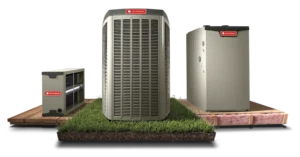 Heating carries the biggest load in Syracuse homes. Systems often run for long stretches without much downtime.
Furnaces create heat and push warm air through ductwork. Boilers heat water and send it through radiators or baseboards. Heat pumps move heat from outdoor air into the home—even in colder conditions.
All heating systems aim for steady output. When airflow is restricted or parts wear down, systems run longer and harder than they should.
How a Cooling System Manages Summer Heat
Cooling systems may run fewer months, but they still need to perform when summer arrives.
Air conditioners and heat pumps remove heat from inside the home and release it outdoors. This relies on refrigerant, coils, and proper airflow. When components are dirty or airflow is limited, cooling becomes uneven and less effective.
Short cycling, warm rooms, or long run times are common signs the system needs attention.
The Role of Airflow and Ductwork
Airflow connects every part of the HVAC system. Even new equipment struggles without proper air movement.
Ductwork delivers conditioned air and pulls it back to be treated again. Over time, ducts can leak, shift, or collect buildup. That affects comfort and forces HVAC systems to work harder.
In many older Syracuse homes, duct condition plays a major role in overall performance.
Why Thermostats Matter
Thermostats tell HVAC systems when to run. Older or poorly placed thermostats may not reflect actual indoor temperatures.
Inaccurate readings can lead to short cycling or extended run times. Both increase wear and reduce comfort. Sometimes small thermostat setting adjustments or upgrades make a noticeable difference.
Why Maintenance Matters for your HVAC Unit
Once homeowners understand how HVAC systems work, maintenance usually makes more sense.
Routine service keeps systems closer to normal operation and helps catch issues early. The benefits of professional HVAC tune-ups often include:
- More consistent comfort
- Fewer breakdowns during extreme weather
- Better efficiency
- Reduced emergency repair calls
HVAC systems maintenance is especially important in Central New York, where heating systems see heavy seasonal use.
Learn more in our article on, "How do you Tune Up a Furnace."
A clogged filter can raise HVAC energy use by up to 15%
Restricted airflow forces the blower to work harder and run longer to reach the same temperature — one of the simplest, cheapest fixes for an underperforming system.
Source: U.S. Department of Energy, Building Science Education — HVAC Proper Installation of Filters
How HVAC Systems Work Over Time
An HVAC system is not just individual parts. It is a balance between heating, cooling, airflow, and controls.
When one area is ignored, others compensate. Over time, that can lead to higher energy use, uneven comfort, and more repairs.
Regular service helps keep HVAC systems
Call Cooney Air Conditioning & Heating today to schedule HVAC noise reduction service or a maintenance check for your home in Syracuse or Onondaga County.
Schedule Online (315) 220-0960
Improve Comfort and Energy Efficiency with HVAC & Insulation Services
If your home has uneven temperatures, rising energy bills, or HVAC systems that seem to run constantly, improving insulation and maintaining your heating and cooling equipment can make a significant difference. Cooney Air offers a full range of solutions designed to improve home comfort, reduce energy waste, and help your HVAC system operate more efficiently.
If you’re experiencing unusual sounds or system performance issues, you can also review our guide on HVAC Noise Reduction And Troubleshooting Common HVAC Problems to learn what may be causing the issue.
No one likes living with a loud HVAC system. When it rattles or buzzes, that noise signals something’s off. In Central New York, where furnaces run hard all winter and air conditioners fight the summer humidity, that sound often means a part needs attention.
Cooney Air Conditioning & Heating works with homeowners across Syracuse and Onondaga County to keep systems running quietly. We track down the cause, make the repair, and show you how to keep things quiet moving forward.
Schedule Online (315) 220-0960
Why HVAC systems make noise and what it means
Every HVAC system hums a little when it’s working. That steady sound is normal. But loud banging, screeching, or vibration means something isn’t right.
You might be hearing:
- Panels or screws that shook loose over time
- Ducts rattling against framing
- A blower wheel or fan that’s out of balance
- Dust or debris clogging airflow
- A motor starting to wear out
In Syracuse, long heating seasons and short maintenance windows make these issues common. Regular HVAC tune-ups keep small noises from becoming major HVAC repairs.
Troubleshooting Common HVAC Problems That Cause Noise
Sometimes you can spot the problem yourself. Other times, it takes a tech to track it down.
Identifying Loose Parts and Rattling Ducts
A metallic rattle often means a screw or bracket came loose. A thumping noise points to an unbalanced fan. High-pitched squeals usually come from belts or bearings that are wearing out.
You can tighten an access panel or swap a clogged filter. Beyond that, leave it to a licensed electrician. Electricity and moving parts aren’t worth guessing on.
When to Call a Technician
If the noise doesn’t stop after the basics, call for service. Our team inspects motors, fans, ducts, and wiring to find the problem. Once it’s fixed, we test the system again so you can be sure it’s safe and quiet.
How Maintenance Prevents Recurring Noise
Seasonal AC maintenance is the best prevention. During a tune-up we clean coils, tighten fittings, check fan balance, and lubricate moving parts. A simple furnace tune-up each year keeps vibration down and helps the system last longer.
How to Reduce HVAC Noise in Your Home
You can do a few things between service calls to keep the noise down:
- Change filters every one to three months.
- Keep vents clear of furniture.
- Seal and insulate ducts so they don’t shake.
- Use rubber pads under the outdoor unit to absorb vibration.
- Schedule annual inspections before extreme weather hits.
Small steps like these help airflow, cut noise, and lower energy use.
| HVAC Sound | Likely Cause | DIY or Pro Fix? |
|---|---|---|
| Rattling or buzzing | Loose panel, screw, or bracket | DIY: tighten access panel |
| Banging or thumping | Unbalanced blower wheel or fan | Pro: HVAC repair |
| High-pitched squeal | Worn belt or bearing | Pro: HVAC maintenance |
| Humming or buzzing from outdoor unit | Loose fan blade or failing motor | Pro: AC service |
| Vibration or rattling from a ductless unit | Loose mounting or refrigerant issue | Pro: mini split repair |
| Hissing or whistling air | Duct leak or undersized ductwork | Pro: duct inspection and seal |
Design and Installation Tips for Better Noise Control
A quiet home starts with a good design and proper installation. Cooney Air installs efficient systems built with noise control in mind.
Upgrading to high-efficiency, low-noise HVAC units
Older units tend to run loudly because motors and fans wear down. Modern HVAC equipment uses variable-speed fans and insulated cabinets that run smoothly and quietly. Replacing an outdated system can reduce noise while improving comfort and efficiency. Our air conditioning installation services or heat pump installation services can get you up and running with a new system in no time.
Variable-speed systems run 3–5 dB(A) quieter
than single-stage equivalents at rated load — and outdoor variable refrigerant flow units often drop 8–12 dB(A) below their rated maximum during the partial-load conditions that make up most of the year. Since every 10 dB increase roughly doubles perceived loudness, that's a difference you'll actually hear.
Source: HVAC Authority USA, HVAC System Noise Levels and Sound Ratings
How to Extend HVAC Equipment Lifespan
Noise control and system life go together. A balanced, well-maintained system lasts years longer than one that shakes and rattles.
The Value of Routine Tune-Ups
Annual service prevents small issues from turning into major repairs. We check wiring, tighten bolts, clean components, and make sure everything runs as it should through Central New York’s long winters and humid summers.
Cleaning and Inspection Details
Dust builds up fast in older homes. Cleaning coils, securing loose hardware, and inspecting bearings keeps the system steady and efficient. It also saves on power bills.
Why Reducing Noise Adds Years to Your System
When a system runs quietly, it’s working efficiently. Less vibration means less strain on fans, motors, and bearings. That lower stress helps your HVAC equipment last longer and perform better.
Professional HVAC Noise Reduction Services
Some systems need more than a simple fix. Cooney Air Conditioning & Heating offers professional HVAC noise reduction services for Syracuse homeowners who want lasting peace and quiet.
Expert Assessment and Targeted Repairs
We start by listening. Then we check ducts, fans, and mounting points to find the source. Once we locate the problem, we repair or adjust the parts causing the sound.
Comprehensive noise control through duct silencers and vibration isolation
For persistent problems, we can install duct silencers, add insulation, or use vibration isolators that absorb movement. These options are especially useful in older Central New York homes with rigid ductwork.
Comfort and Peace of Mind
A quiet system feels different. You notice the warmth or cool air, not the equipment running. If your HVAC system has gotten louder over the years, we can help bring it back to normal.
Call Cooney Air Conditioning & Heating today to schedule HVAC noise reduction service or a maintenance check for your home in Syracuse or Onondaga County.
Schedule Online (315) 220-0960
Improve Comfort and Energy Efficiency with HVAC & Insulation Services
If your home has uneven temperatures, rising energy bills, or HVAC systems that seem to run constantly, improving insulation and maintaining your heating and cooling equipment can make a significant difference. Cooney Air offers a full range of solutions designed to improve home comfort, reduce energy waste, and help your HVAC system operate more efficiently.
- Insulation Installation Services to improve energy efficiency and reduce heating and cooling loss
- Attic Insulation Installers who help regulate indoor temperatures and protect your home year-round
- Spray Foam Insulation Installers for advanced air sealing and long-term energy savings
- HVAC New Installation Services when it’s time to upgrade your heating or cooling system
- HVAC Repair And Replacement to restore comfort and keep your system operating safely
- HVAC Maintenance Services to extend equipment lifespan and prevent unexpected breakdowns
- Complete HVAC Services for heating, cooling, and home comfort solutions in the Syracuse area
- Indoor Air Quality Services that help remove airborne pollutants and improve breathing comfort
If you’re experiencing unusual sounds or system performance issues, you can also review our guide on HVAC Noise Reduction And Troubleshooting Common HVAC Problems to learn what may be causing the issue. And if you are experiencing a HVAC emergency, our Emergency AC Repair services are just a phone call away.