


Blog
Furnace Tune Up Checklist: How Do You Tune Up a Furnace in Syracuse, NY?
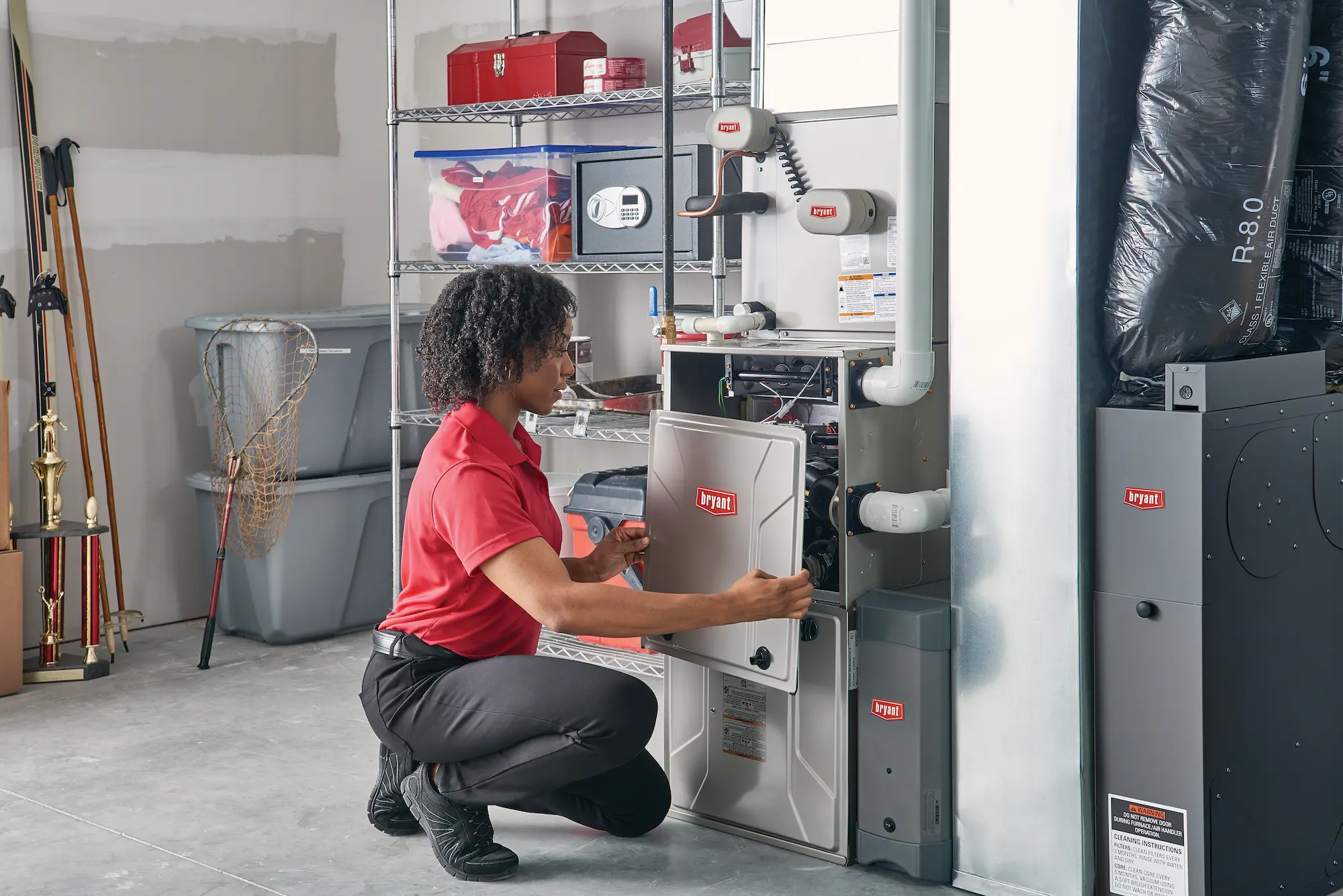
If you’ve ever wondered how do you tune up a furnace, you’re not alone. Most homeowners don’t think much about their furnace until the heat stops working or the system starts making strange noises. In a place like Syracuse, NY, that’s a risky approach. Winters are long, cold, and unforgiving, and a furnace that isn’t maintained properly will usually fail at the worst possible time.
A furnace tune-up isn’t complicated, but it does require the right steps and the right expectations. Some parts are simple. Others are better left to professionals who know what they’re looking at and why it matters.
Why Furnace Tune-Ups Are Essential for Syracuse Homes
Furnaces in Central New York work harder than systems in milder climates. They run longer, cycle more often, and face bigger temperature swings. Without regular attention, small issues turn into expensive problems.
Routine furnace maintenance helps:
- Improve system efficiency so it doesn’t waste fuel
- Extend the lifespan of major components
- Catch safety issues before they become dangerous
- Reduce the risk of mid-winter breakdowns
Most emergency calls we see in January or February could have been avoided with a tune-up earlier in the season.
When Should You Schedule Furnace Maintenance?
The best time for a tune-up is late summer or early fall, before the system is needed every day. That timing gives you room to address issues without rushing.
That said, if you notice warning signs, don’t wait. Call for service if you experience:
- Uneven heating from room to room
- New or unusual smells when the furnace runs
- Frequent cycling on and off
- Higher-than-normal heating bills
Those are often early indicators that the system is overdue for attention.
How Long Does a Furnace Tune-Up Take?
Homeowners often ask how long does a furnace tune up take, especially when scheduling around work or family time. In most cases, a professional tune-up takes one to two hours.
The exact time depends on:
- The age of the furnace
- Whether it’s gas or electric
- Overall condition and cleanliness
- Accessibility of the unit
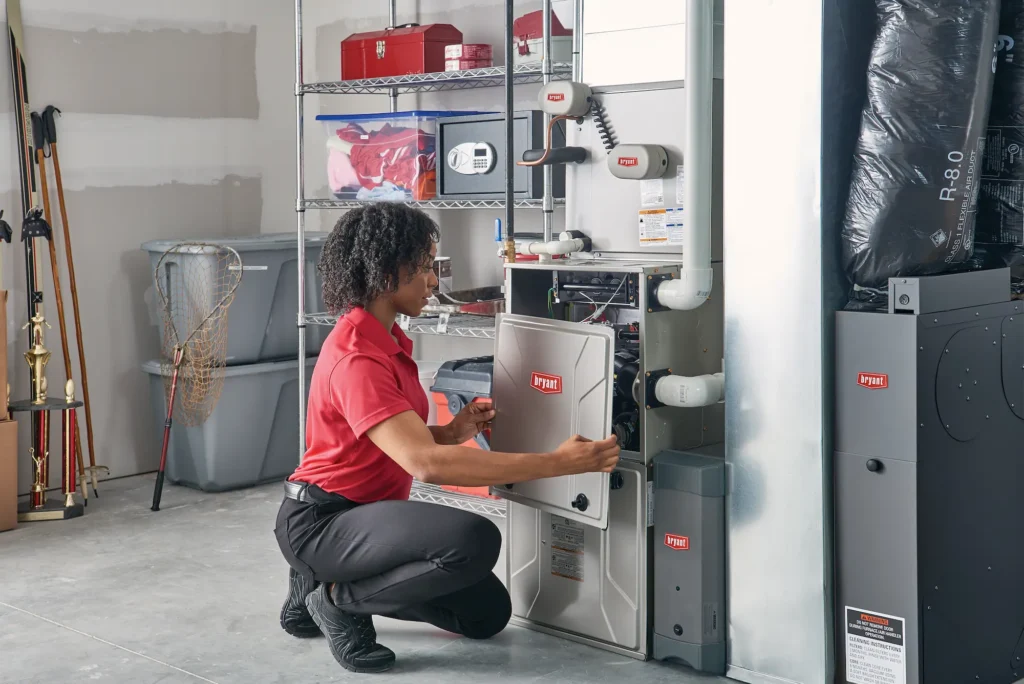
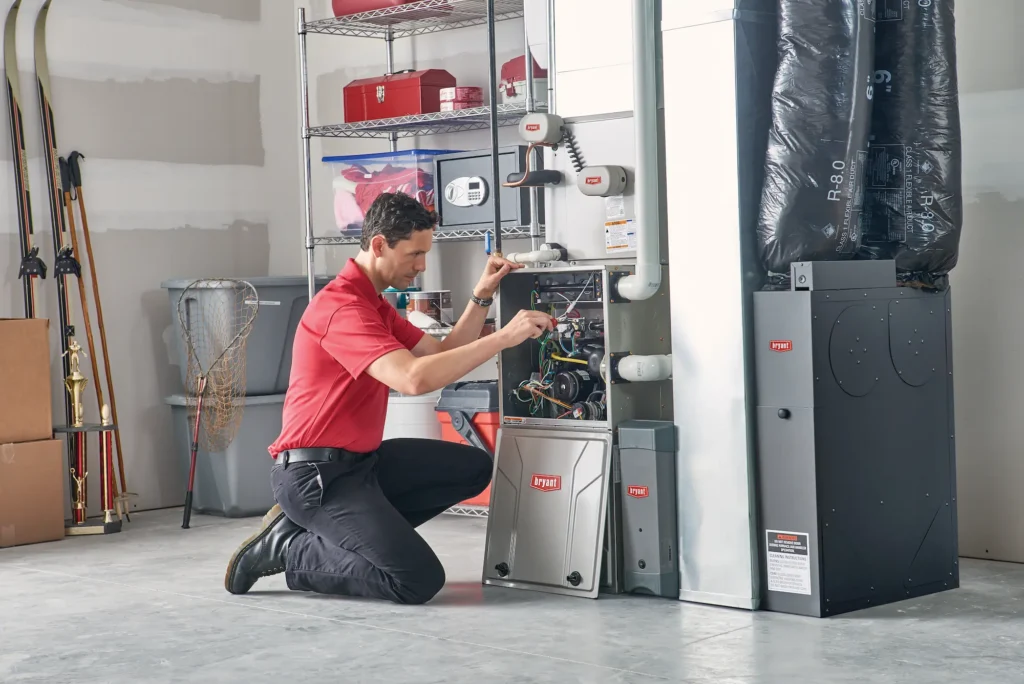
During a Cooney Air Conditioning & Heating visit, our technician walks through the system methodically, not quickly. Rushing defeats the purpose.
DIY Furnace Tune-Up Checklist: What You Can and Can’t Do
Some maintenance tasks are homeowner friendly. Others cross into safety territory and should stay with trained professionals.
Here’s a realistic furnace tune up checklist from a homeowner’s point of view.
Visual Inspection and System Evaluation
Start with what you can see. Look around the furnace area for signs of rust, corrosion, loose panels, or water pooling. Check vents and registers to make sure airflow isn’t blocked.
Listen while the system runs. Grinding, rattling, or banging noises usually mean something isn’t right.
Furnace Filter Replacement and Airflow
Replacing the furnace filter is the single most important DIY step. A clogged filter restricts airflow and forces the system to work harder than it should.
Check the filter monthly during heating season. Most homes need a replacement every one to three months, depending on usage and air quality.
Cleaning Furnace Components
Light cleaning around the unit is fine. Keep dust and debris away from the furnace cabinet and intake areas. Internal cleaning, such as burners or the heat exchanger, should be handled by professionals to avoid damage or safety risks.
Thermostat Calibration
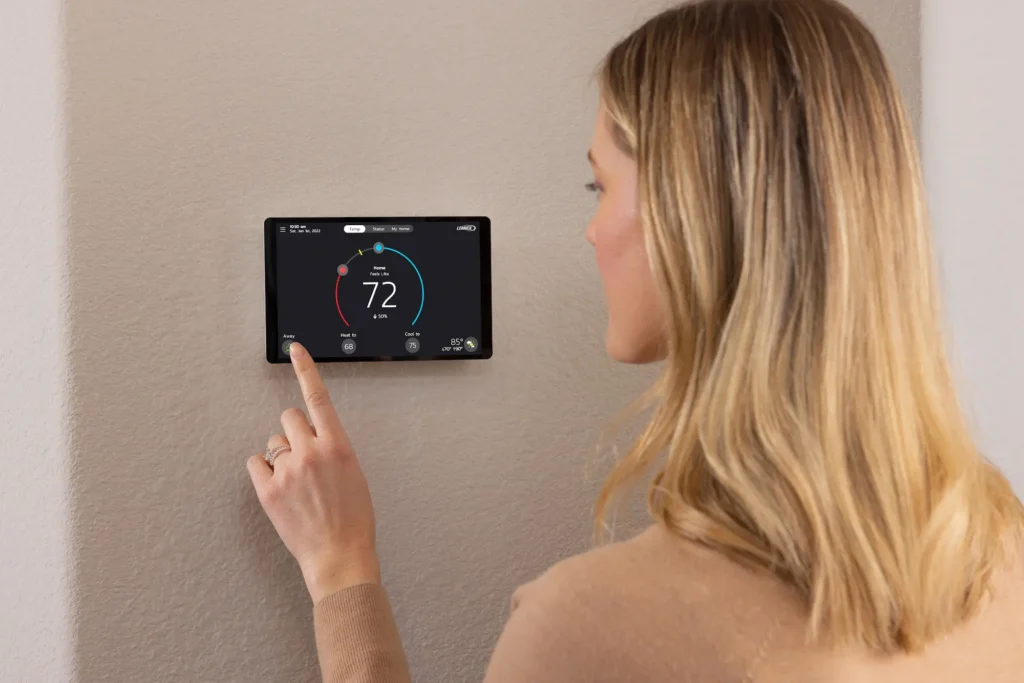
If rooms feel warmer or cooler than the thermostat setting suggests, calibration may be off. Simple checks can confirm accuracy, but deeper communication issues between the thermostat and control board require professional testing.
Electrical and Safety Control Checks
This is where DIY stops. Inspecting gas connections, ignition systems, limit switches, and safety shutoffs requires training and proper tools. These components protect your home from fire and carbon monoxide risks.
Lubrication of Moving Parts
Some older systems require lubrication of motors or fan components. Newer models are often sealed. Applying the wrong lubricant or over-lubricating can cause more harm than good.
DIY vs. Professional Tune-Ups: What Homeowners Should Know
A diy furnace approach works for filters and visual checks. Beyond that, professional service is the safer choice.
Professional tune-ups include:
- Combustion analysis and safety testing
- Electrical inspections
- Burner cleaning and adjustments
- Airflow measurements
Skipping these steps or doing them incorrectly can reduce efficiency and shorten system life.
How Furnace Tune-Ups Save You Money in Syracuse, NY
A tuned system runs more efficiently, which means it uses less fuel to heat the same space. Over the course of a Syracuse winter, that adds up.
Tune-ups also catch worn parts early. Replacing a small component during maintenance costs far less than replacing major parts during an emergency call.
Why Choose Cooney Air Conditioning & Heating for Your Tune-Up
Furnace tune-ups are checklists that require experience and attention to detail. Cooney Air Conditioning & Heating has worked with Syracuse homes long enough to know where problems usually start and how to prevent them.
Our technicians focus on safety, efficiency, and long-term reliability. We explain what we see, what matters, and what can wait. That approach helps homeowners make informed decisions without pressure.
Schedule Your Furnace Tune-Up With Cooney
Knowing how do you tune up a furnace helps you understand what your system needs and when to call for help. Regular hvac maintenance services protects your comfort, your safety, and your budget during long Syracuse winters.
Stay warm and worry-free with Cooney Air’s trusted furnace installation service, or fast heating furnace repair service. Our experienced team also provides expert heat pump repair service, professional heat pump installation services, and dependable boiler installation services and boiler repair service for Syracuse homes. When your comfort matters, count on Cooney Air for responsive service, honest recommendations, and year-round heating solutions you can trust.
Schedule online or call (315) 220-0960 to book your furnace tune-up with Cooney Air Conditioning & Heating.
Frequently Asked Questions
Most furnaces should receive a professional furnace tune-up once per year, ideally in early fall before the heating season starts. Annual furnace maintenance helps keep the entire system operating safely and efficiently during Syracuse’s long winters. A yearly furnace tune allows technicians to check, clean, and test critical components like the blower, thermostat, flame, and electrical connections. Regular tune visits also help identify small issues before they turn into costly repair needs and improve overall heat output. Scheduling routine furnace tune service helps extend equipment life, supports safety, and keeps your heating system reliable when temperatures drop.
Basic diy furnace care is possible, but it’s limited. Homeowners can handle simple maintenance tasks like replacing the furnace filter, keeping the area clean, and visually checking the pilot light or air intake for obstructions. However, a full furnace tune-up involves more advanced steps such as testing the system, inspecting the blower motor, measuring flame performance, and checking electrical components. Professional furnace maintenance ensures proper safety and helps prevent hidden issues that could lead to breakdowns or inefficient heating. For complete protection and reliable heat, a trained hvac technician should perform the full furnace tune.
In many cases, yes. A professional furnace tune-up improves heating efficiency by ensuring your system runs cleanly and correctly. During a furnace tune, technicians clean internal components, inspect the blower, test airflow, and confirm proper thermostat operation. These steps help your furnace produce consistent heat using less fuel. Routine furnace maintenance also reduces strain on the system, lowering the risk of unexpected repair costs. Over time, a properly tuned hvac system can help control monthly heating expenses while improving comfort and safety throughout your home.
Several warning signs suggest your furnace may need a tune-up right away. Common issues include uneven heating, strange noises from the blower, frequent cycling, or unusual smells during operation. A yellow or unstable pilot light, excessive dust from ducts, or weak heat output can also indicate problems within the system. If your furnace hasn’t had recent maintenance, small issues may turn into larger repair needs. Scheduling a furnace tune allows professionals to check, test, and clean components while ensuring proper safety before peak winter demand hits Syracuse homes.