


Blog
How Does an HVAC System Work?
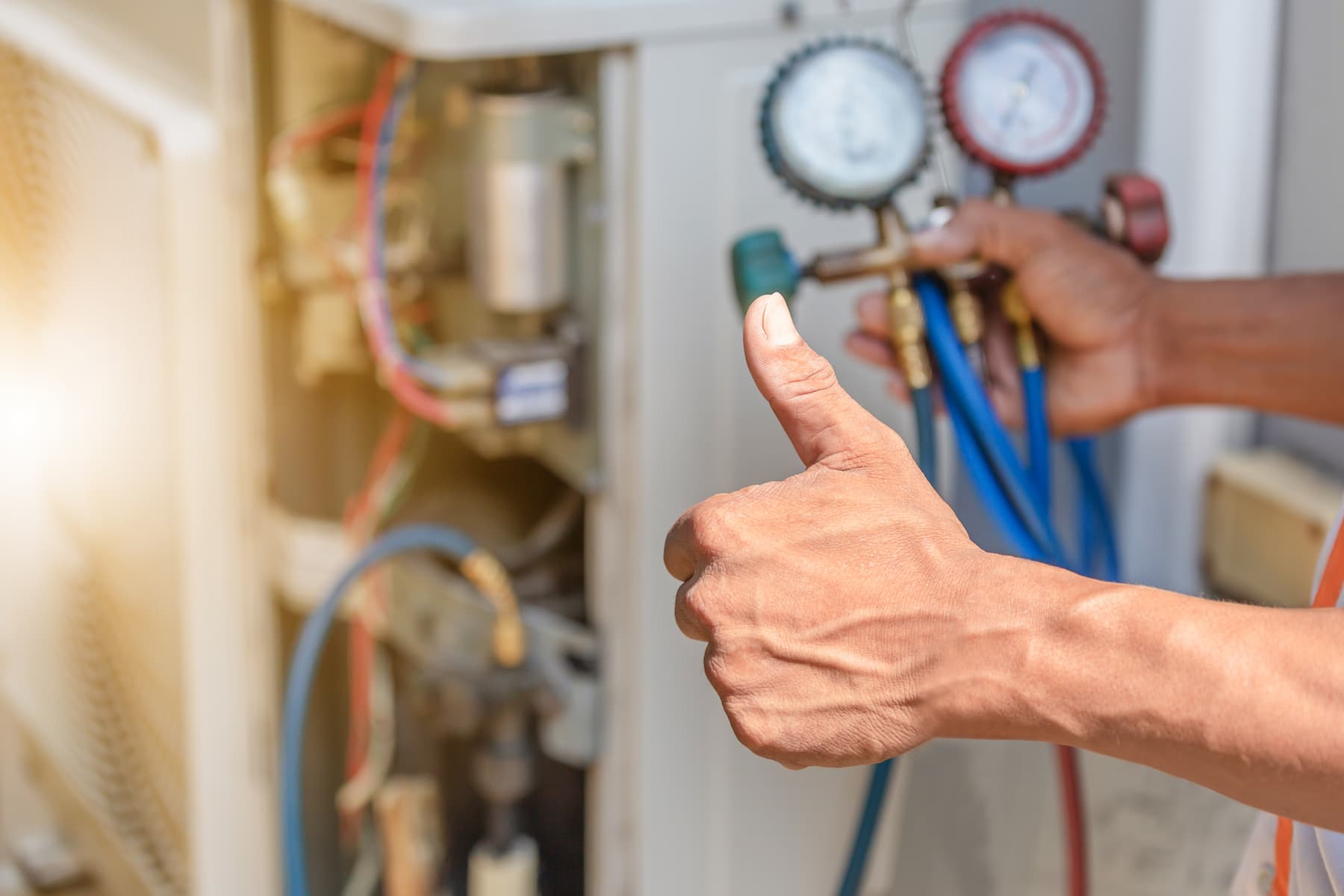
HVAC systems in Syracuse stay busy nearly year-round. Heating leads through long winters, quick cold snaps add strain to equipment, and summer brings heat and humidity that require steady control. When homeowners ask how an HVAC system works, it’s often because comfort feels uneven—or they want a clearer understanding of what keeps the home running smoothly as seasons change.
At its core, an HVAC system heats, cools, and circulates air. How well it does that depends on equipment condition, airflow, and regular service. Cooney Air Conditioning & Heating works on HVAC systems across Syracuse and Onondaga County, and real-world performance matters more than theory.
The Core Parts of an HVAC System
For Syracuse homeowners, understanding how an HVAC system works starts with the core equipment that produces heat, delivers cooling, and moves air through the house. Most HVAC systems are built as an integrated system. When one unit underperforms, the entire HVAC system can lose efficiency, and comfort can drop in specific rooms.
Here are the primary components that make an HVAC system operate properly:
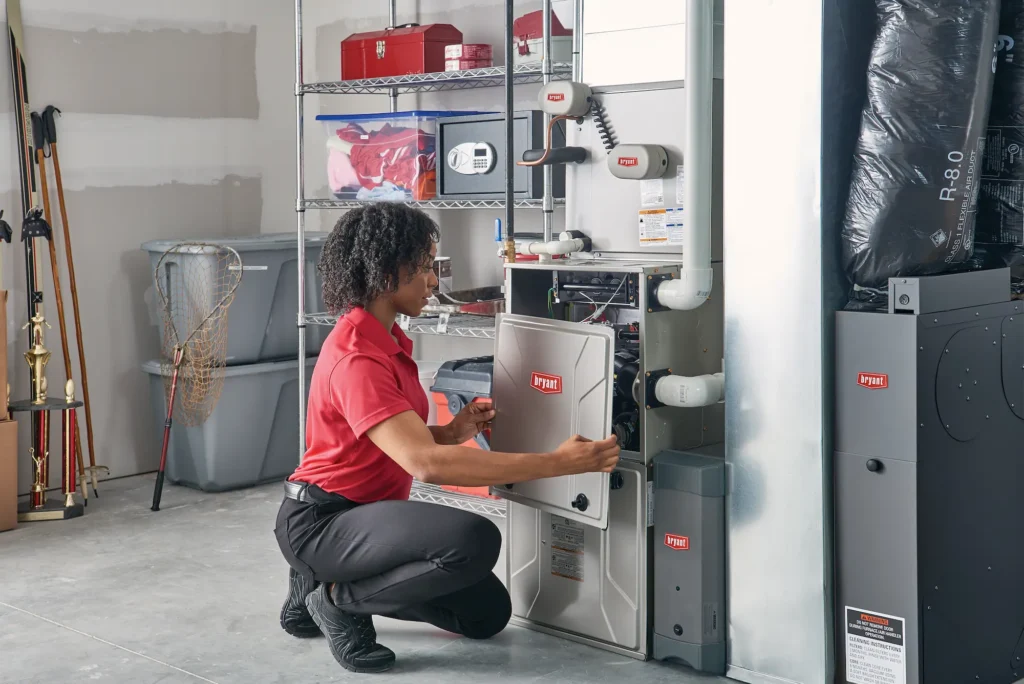
- Heating equipment: A furnace, boiler, or heat pump generates heat for the home. In forced-air setups, furnaces heat air and distribute it through the system to multiple rooms.
- Cooling equipment: A central air conditioner or a heat pump running in cooling mode supports air conditioning by removing heat from indoor air. In many central setups, the outdoor section uses a condenser coil to release heat outside.
- Air handler and airflow: The air handler moves conditioned air through the system, helping maintain even temperatures and steady performance across the home.
- Ductwork or ductless distribution: Traditional HVAC systems use ductwork to deliver air and return it for reconditioning. Some homes use ductless systems to control temperatures in targeted zones without ducts.
- Filtration: Air filters help protect the HVAC system by capturing dust and debris, which supports smoother operation and better airflow.
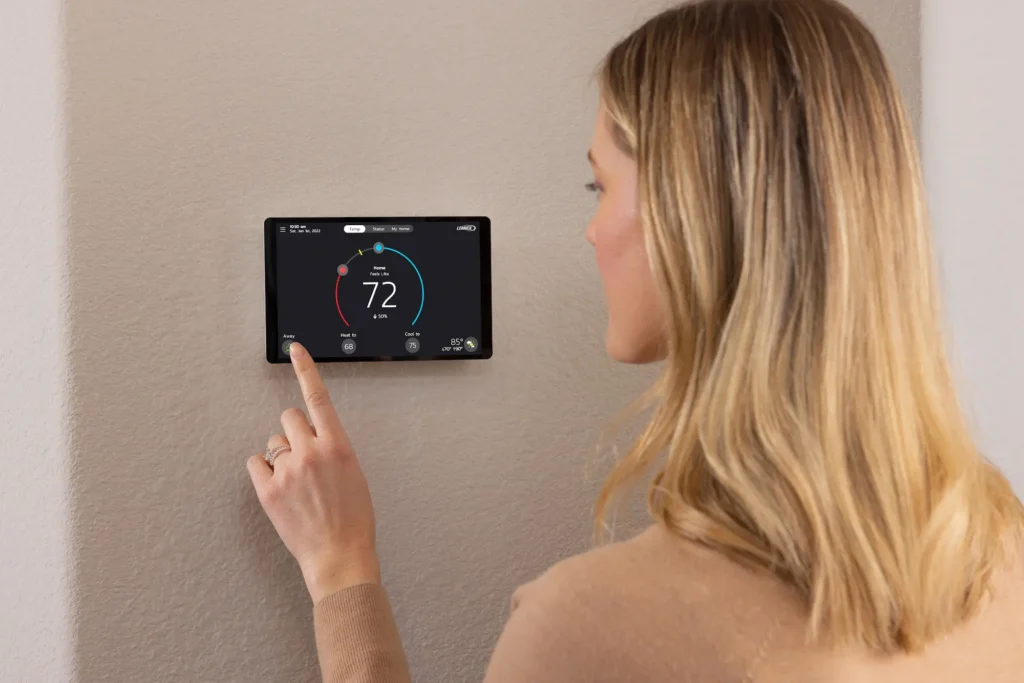
- Thermostat and controls: The thermostat tells the system when to run so the HVAC system works in cycles based on indoor temperature and demand.
- Ventilation: Proper ventilation supports healthier indoor air and helps the overall system maintain balanced comfort, especially when the heating and cooling loads change.
When these components work together, HVAC systems provide consistent heating, reliable cooling, and steady indoor air movement. If one part struggles, such as a restricted filter, a worn unit, or airflow issues, the rest of the system must compensate, which often leads to uneven comfort and more strain on the equipment.
How Heating and Heat Pumps Work in Central New York Homes
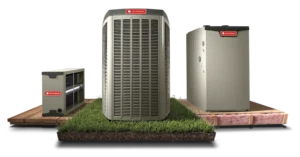 Heating carries the biggest load in Syracuse homes. Systems often run for long stretches without much downtime.
Furnaces create heat and push warm air through ductwork. Boilers heat water and send it through radiators or baseboards. Heat pumps move heat from outdoor air into the home—even in colder conditions.
All heating systems aim for steady output. When airflow is restricted or parts wear down, systems run longer and harder than they should.
How a Cooling System Manages Summer Heat
Cooling systems may run fewer months, but they still need to perform when summer arrives.
Air conditioners and heat pumps remove heat from inside the home and release it outdoors. This relies on refrigerant, coils, and proper airflow. When components are dirty or airflow is limited, cooling becomes uneven and less effective.
Short cycling, warm rooms, or long run times are common signs the system needs attention.
The Role of Airflow and Ductwork
Airflow connects every part of the HVAC system. Even new equipment struggles without proper air movement.
Ductwork delivers conditioned air and pulls it back to be treated again. Over time, ducts can leak, shift, or collect buildup. That affects comfort and forces HVAC systems to work harder.
In many older Syracuse homes, duct condition plays a major role in overall performance.
Why Thermostats Matter
Thermostats tell HVAC systems when to run. Older or poorly placed thermostats may not reflect actual indoor temperatures.
Inaccurate readings can lead to short cycling or extended run times. Both increase wear and reduce comfort. Sometimes small thermostat adjustments or upgrades make a noticeable difference.
Why Maintenance Matters for your HVAC Unit
Once homeowners understand how HVAC systems work, maintenance usually makes more sense.
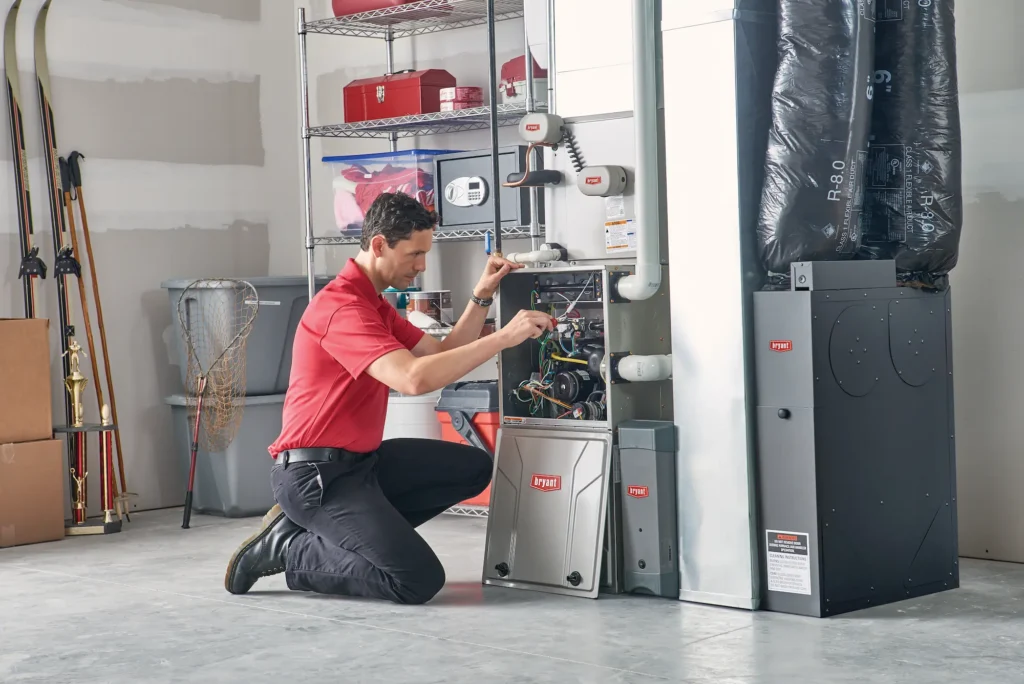
Routine service keeps systems closer to normal operation and helps catch issues early. The benefits of professional HVAC tune-ups often include:
- More consistent comfort
- Fewer breakdowns during extreme weather
- Better efficiency
- Reduced emergency repair calls
HVAC systems maintenance is especially important in Central New York, where heating systems see heavy seasonal use.
How HVAC Systems Work Over Time
An HVAC system is not just individual parts. It is a balance between heating, cooling, airflow, and controls.
When one area is ignored, others compensate. Over time, that can lead to higher energy use, uneven comfort, and more repairs.
Regular service helps keep HVAC systems
Call Cooney Air Conditioning & Heating today to schedule HVAC noise reduction service or a maintenance check for your home in Syracuse or Onondaga County.